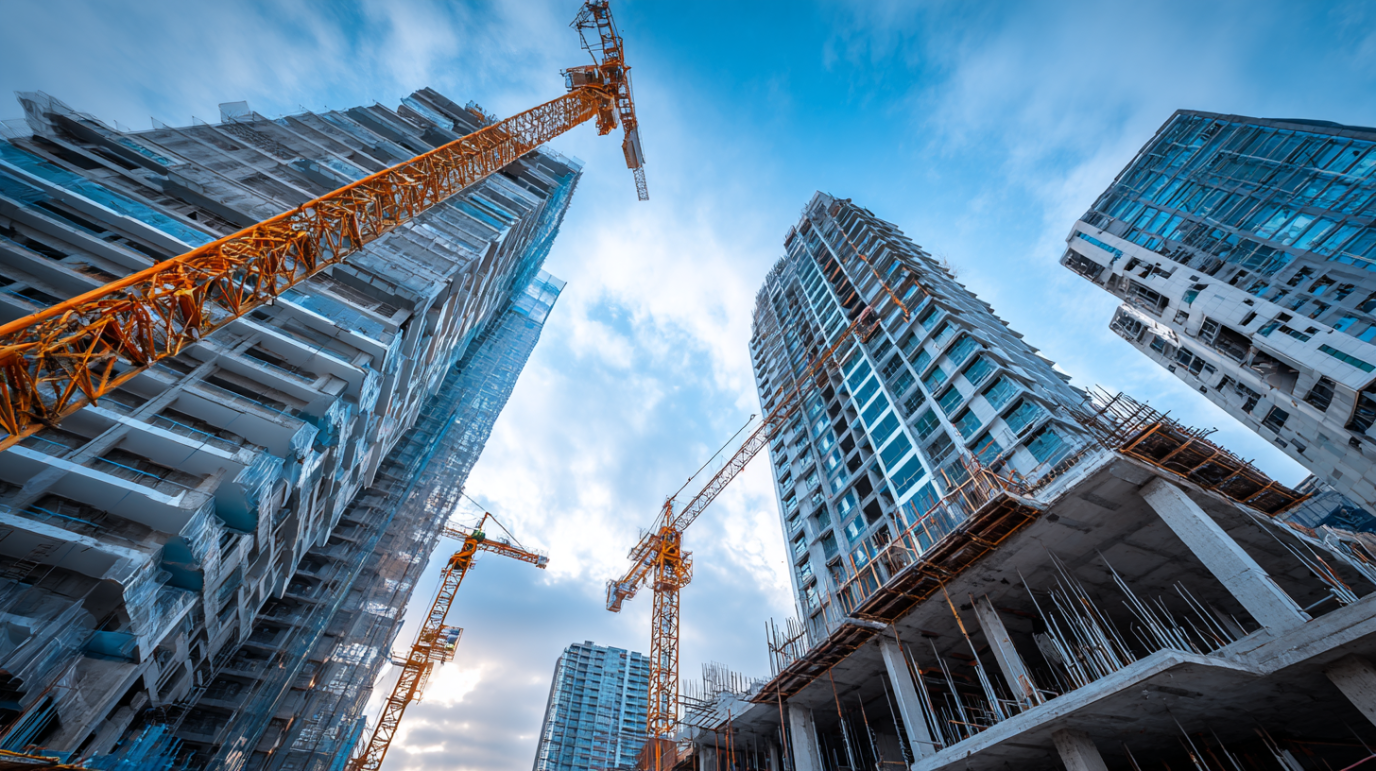
Understanding the key phases of commercial building projects is crucial for ensuring their success. These projects are complex endeavors that require careful planning, execution, and management. From initial planning to final completion, each phase plays a critical role in delivering a project that meets the client’s expectations while staying on budget and schedule.
Phase 1: Planning and Design
The planning and design phase is the foundation of any successful commercial building project. This phase involves determining the project’s feasibility, setting objectives, and creating blueprints. It requires collaboration between architects, engineers, and stakeholders to ensure that the design meets both the client’s vision and regulatory requirements. Investing time in this phase can prevent costly changes and delays later in the project.
Key Elements of Planning
- Site Analysis
- Budget Estimation
- Timeline Projection
Phase 2: Pre-Construction
During the pre-construction phase, all necessary permits and approvals are obtained. This phase also includes selecting contractors and establishing a detailed project schedule. Effective communication and coordination among the project team are essential to address potential challenges before construction begins.
Phase 3: Construction
The construction phase is where the project truly comes to life. It involves managing resources, adhering to timelines, and ensuring safety standards are met. Regular site inspections and progress meetings help keep the project on track. This phase can face unexpected challenges such as weather conditions or material shortages, making adaptability a key component.
Construction Challenges
- Weather Delays
- Supply Chain Disruptions
- Labor Shortages
Phase 4: Post-Construction
Once construction is complete, the post-construction phase begins. This involves the final inspection, addressing any outstanding issues, and ensuring compliance with all regulations. Handover to the client marks the project’s completion, but ongoing maintenance and support may be required to address any long-term issues.
| Phase | Duration | Key Activities |
|---|---|---|
| Planning and Design | 3-6 months | Site analysis, budget estimation |
| Pre-Construction | 2-4 months | Permits, contractor selection |
| Construction | 12-24 months | Building, inspections |
| Post-Construction | 1-2 months | Final inspections, handover |
Conclusion
Successful commercial building projects are achieved through meticulous planning and execution across all phases. By understanding and effectively managing each phase, project teams can deliver high-quality structures that meet client expectations and regulatory standards.
Reach out to our experts for guidance on your next commercial building project.
Similar articles
FAQ
What is the most critical phase of a building project?
The planning and design phase is often considered the most critical as it lays the groundwork for the entire project.
How long does a commercial building project typically take?
The duration varies but typically ranges from 18 to 36 months, depending on the project’s complexity.
What factors influence the cost of a commercial building project?
Factors include project size, location, materials, labor costs, and regulatory requirements.
How can project delays be minimized?
Delays can be minimized through effective planning, regular communication, and proactive problem-solving.
What is the role of a project manager in construction?
A project manager oversees the project’s planning, execution, and completion, ensuring it remains on schedule and within budget.