In an era where sustainability and environmental consciousness are at the forefront, building energy-efficient and self-sufficient homes has become a priority for many. These homes not only reduce carbon footprints but also offer long-term cost savings. This guide delves into the essential components and strategies for constructing homes that are both energy-efficient and self-sufficient, ensuring they meet the needs of the present without compromising future generations.
The importance of energy efficiency
Energy efficiency in homes helps reduce energy consumption, lower utility bills, and minimize environmental impact. An energy-efficient home uses less energy to perform the same functions as a conventional home, thanks to improved insulation, energy-efficient appliances, and smart home technologies.
Designing a self-sufficient home
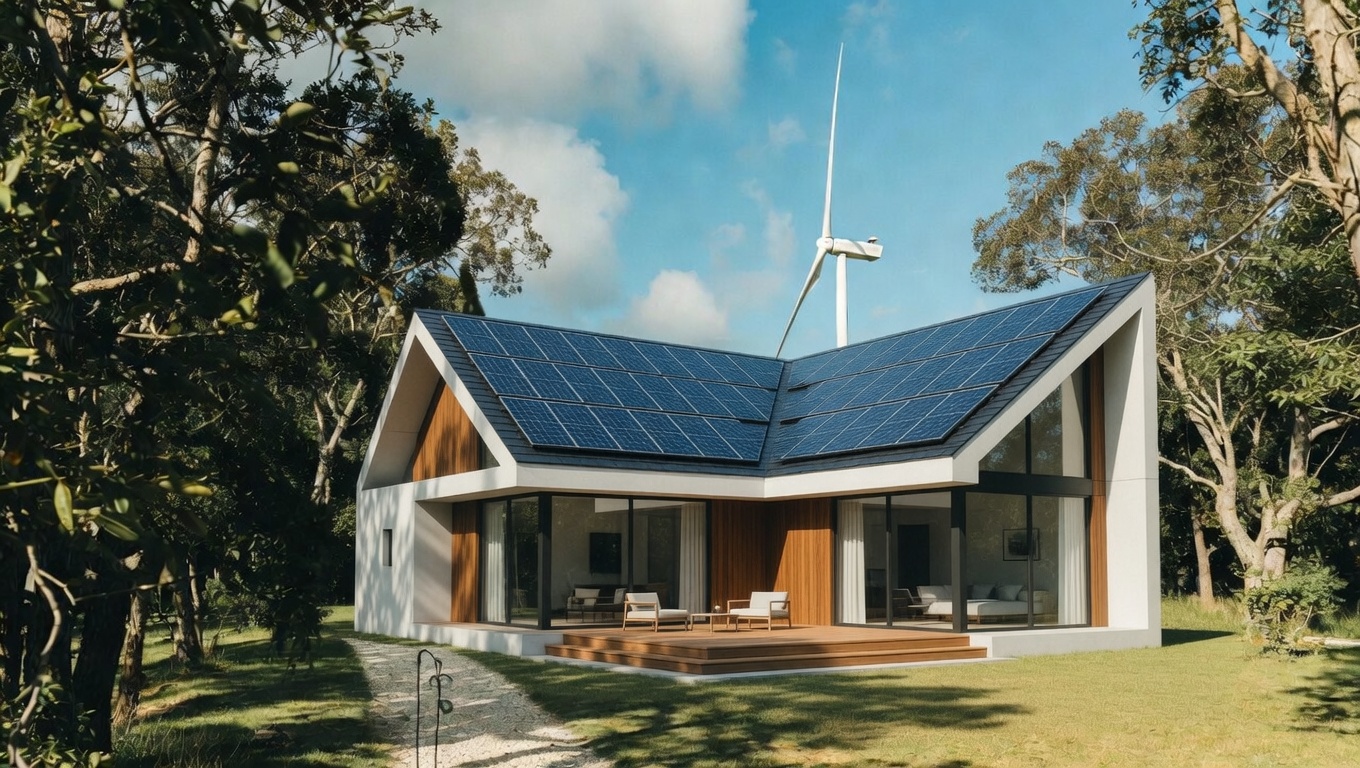
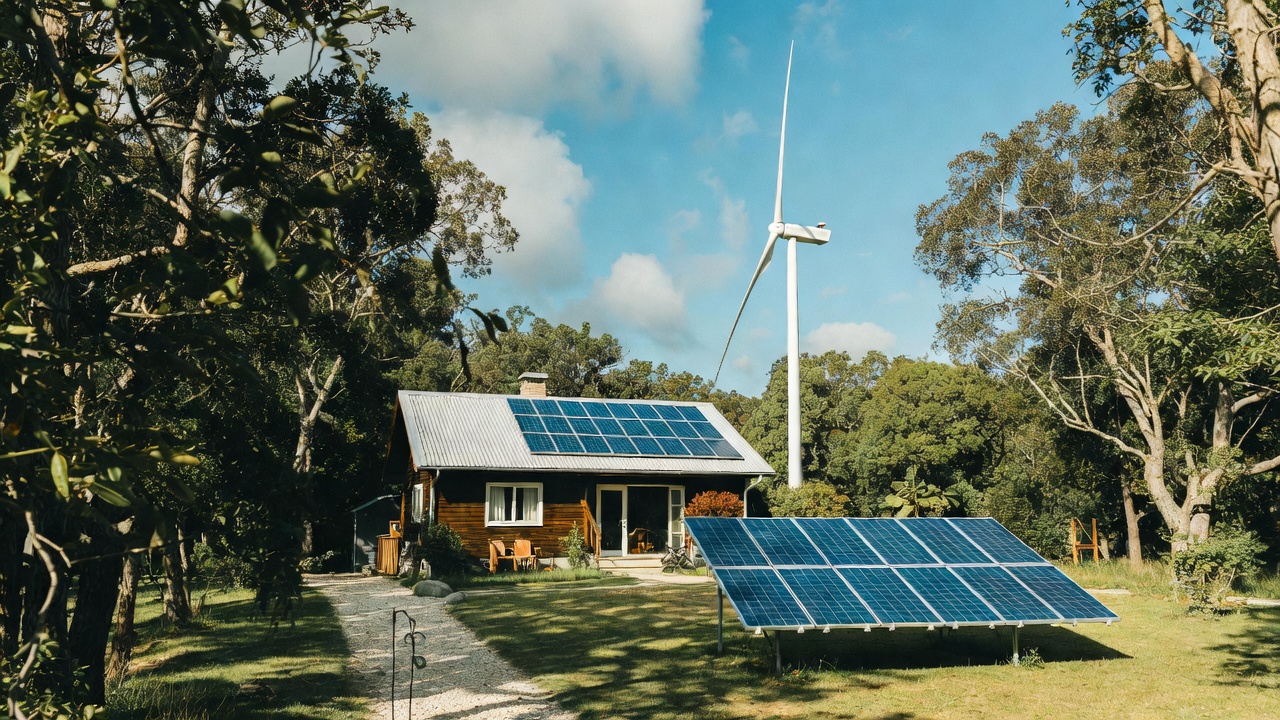
Self-sufficient homes aim to operate independently of traditional utilities. They often incorporate renewable energy sources, such as solar panels and wind turbines, energy storage systems like batteries, and water collection systems. The goal is to minimize reliance on external resources.
Key components of a self-sufficient home
| Component | Description | Benefits |
|---|---|---|
| Solar panels | Convert sunlight into electricity. | Reduces reliance on the grid, lowers energy bills. |
| Wind turbines | Generate electricity from wind. | Provides renewable energy, especially in windy areas. |
| Rainwater harvesting | Collects and stores rainwater for use. | Reduces water bills, conserves water resources. |
| Energy storage systems | Store energy for later use. | Provides energy during outages, stabilizes energy supply. |
Implementing sustainable practices
To build a truly sustainable home, consider materials that have a low environmental impact. Opt for recycled materials, locally sourced when possible, and ensure that the construction process itself is eco-friendly. Sustainable practices also extend to the home’s interior, where energy-efficient lighting, appliances, and heating systems can dramatically reduce energy use.
Case study: A sustainable home in action
A real-life example is the EcoHome in Austin, Texas, which utilizes a combination of solar panels, energy-efficient windows, and geothermal heating. The home produces more energy than it consumes, with excess energy being fed back into the grid, illustrating the financial and environmental benefits of self-sufficiency.
Conclusion
Building energy-efficient and self-sufficient homes is not just a trend but a necessity for a sustainable future. By integrating renewable energy sources, smart technologies, and sustainable materials, these homes provide a blueprint for sustainable living.
Explore our other articles for more insights on sustainable building practices.
Similar articles
FAQ
What are the benefits of a self-sufficient home?
Self-sufficient homes reduce utility costs, lower environmental impact, and offer energy independence.
How much can I save with solar panels?
Solar panels can reduce electricity bills significantly, potentially saving thousands of dollars over their lifespan.
Are there government incentives for building green homes?
Many governments offer tax credits, rebates, and incentives for building energy-efficient homes.
How can I make my existing home more energy-efficient?
Consider upgrading insulation, switching to energy-efficient appliances, and installing smart home systems.
Is it expensive to build a self-sufficient home?
While initial costs can be higher, long-term savings and environmental benefits often outweigh the investment.