As the world moves towards sustainable energy solutions, integrating solar panels into modern construction projects has become a focal point for architects and builders. Solar energy offers a renewable, efficient, and cost-effective solution for reducing carbon footprints. By harnessing the power of the sun, buildings can achieve energy independence and contribute to environmental conservation. This article explores the benefits, techniques, and considerations for integrating solar panels into contemporary constructions, aiming to guide industry professionals in adopting these green technologies.
Benefits of Solar Panel Integration
Incorporating solar panels into construction projects provides numerous advantages. Firstly, it significantly reduces energy costs. Buildings equipped with solar panels can generate their own electricity, mitigating reliance on grid power. Secondly, solar energy is a clean, renewable source, which helps reduce greenhouse gas emissions. Additionally, properties with solar installations often see an increase in market value and appeal to environmentally conscious buyers.
Techniques for Integrating Solar Panels
Rooftop Installations
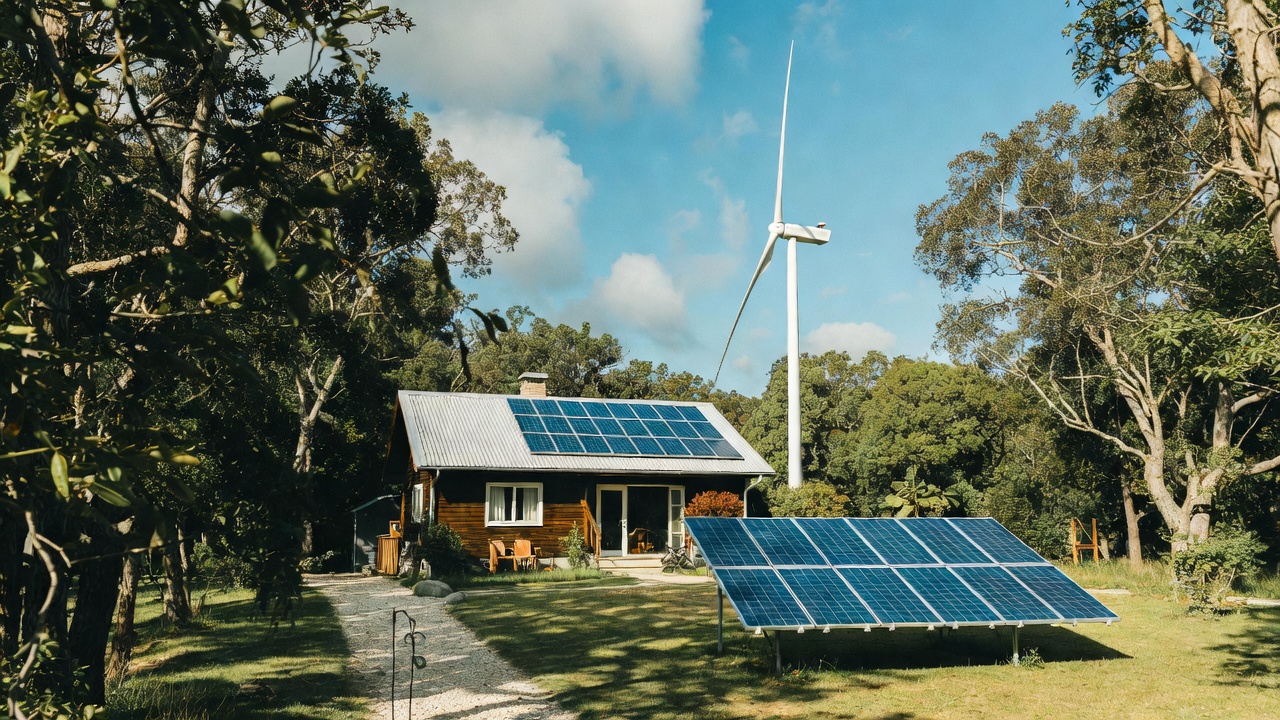
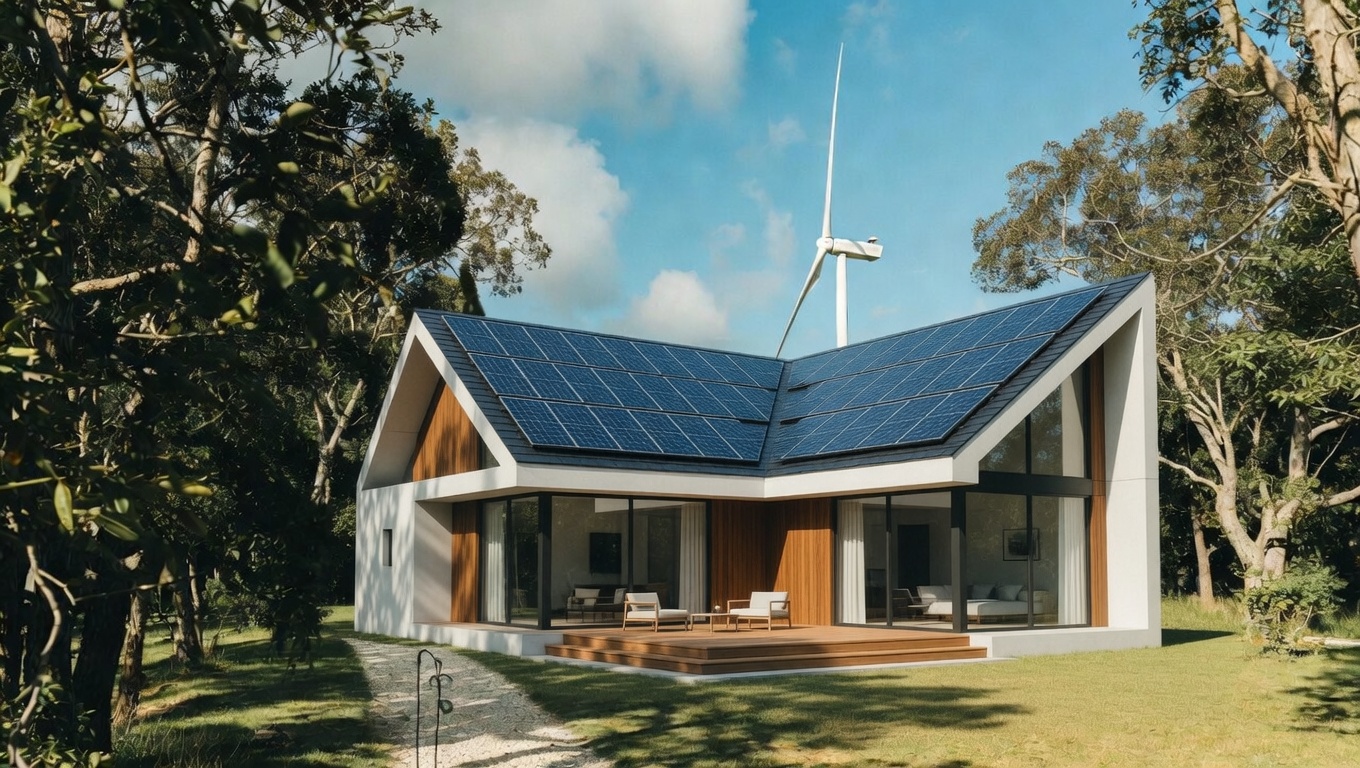
The most common method is rooftop installation, where panels are mounted on the building’s roof. This technique is effective for maximizing exposure to sunlight, especially in residential settings.
Building-Integrated Photovoltaics (BIPV)
BIPV involves integrating solar cells into the building materials, such as windows or facades. This approach not only generates power but also enhances the aesthetic appeal of the building.
Ground-Mounted Systems
For projects with ample land, ground-mounted solar systems offer a viable alternative. These systems can be installed in open areas adjacent to the building, providing flexibility in panel orientation and maintenance.
Comparative Analysis of Solar Panel Types
| Type | Efficiency | Cost | Durability |
|---|---|---|---|
| Monocrystalline | 20-22% | High | 25-30 years |
| Polycrystalline | 15-17% | Moderate | 20-25 years |
| Thin-Film | 10-12% | Low | 15-20 years |
Considerations for Successful Integration
When planning to integrate solar panels, several factors must be considered. The building’s orientation and roof angle play crucial roles in maximizing solar exposure. Local climate conditions, such as average sunlight hours and weather patterns, also impact efficiency. Additionally, budget constraints and available incentives or subsidies should be evaluated to optimize costs and returns on investment.
Conclusion
Integrating solar panels into modern construction projects is not just an environmental imperative but also a strategic financial decision. As technology advances and costs decrease, solar power becomes an increasingly attractive option for builders and developers. By adopting solar energy, we can move towards a greener, more sustainable future.
Take the first step towards sustainability by integrating solar panels in your next construction project.
Similar articles
FAQ
What are the main benefits of using solar panels?
Solar panels reduce energy costs, lower carbon emissions, and increase property value.
How long do solar panels last?
Most solar panels have a lifespan of 20 to 30 years depending on the type.
What is Building-Integrated Photovoltaics (BIPV)?
BIPV involves integrating solar cells into building materials, enhancing aesthetics and functionality.
Are there government incentives for installing solar panels?
Yes, many governments offer tax credits, rebates, and subsidies to encourage solar energy adoption.
How do I choose the right type of solar panels?
Consider factors like efficiency, cost, durability, and your specific energy needs to select the best type.