Electrical failures in the home can lead to inconvenient outages, costly repairs, and even dangerous situations. Understanding how to prevent these common issues is crucial for maintaining a safe and efficient household. Whether you’re a homeowner or a renter, taking proactive steps can help you avoid the hassle and hazards associated with electrical problems. This guide provides professional insights and practical advice to help you keep your home’s electrical system in top shape.
Understanding Common Electrical Failures
Before diving into prevention strategies, it’s important to identify the common electrical failures that can occur. These include circuit breaker trips, flickering lights, electrical surges, and faulty outlets. Each of these issues can stem from various causes, such as overloading circuits, outdated wiring, or even external factors like weather conditions.
Causes and Effects
Electrical failures often arise from simple oversights or neglect. For instance, overloading a circuit by plugging in too many appliances can cause breakers to trip. Similarly, old or damaged wiring can lead to inconsistent power supply, resulting in flickering lights. Understanding these causes allows homeowners to address potential problems before they escalate.
Preventive Measures
Implementing preventive measures is key to avoiding electrical failures. Regular maintenance and vigilant monitoring can significantly reduce the risk of issues.
Regular Inspections
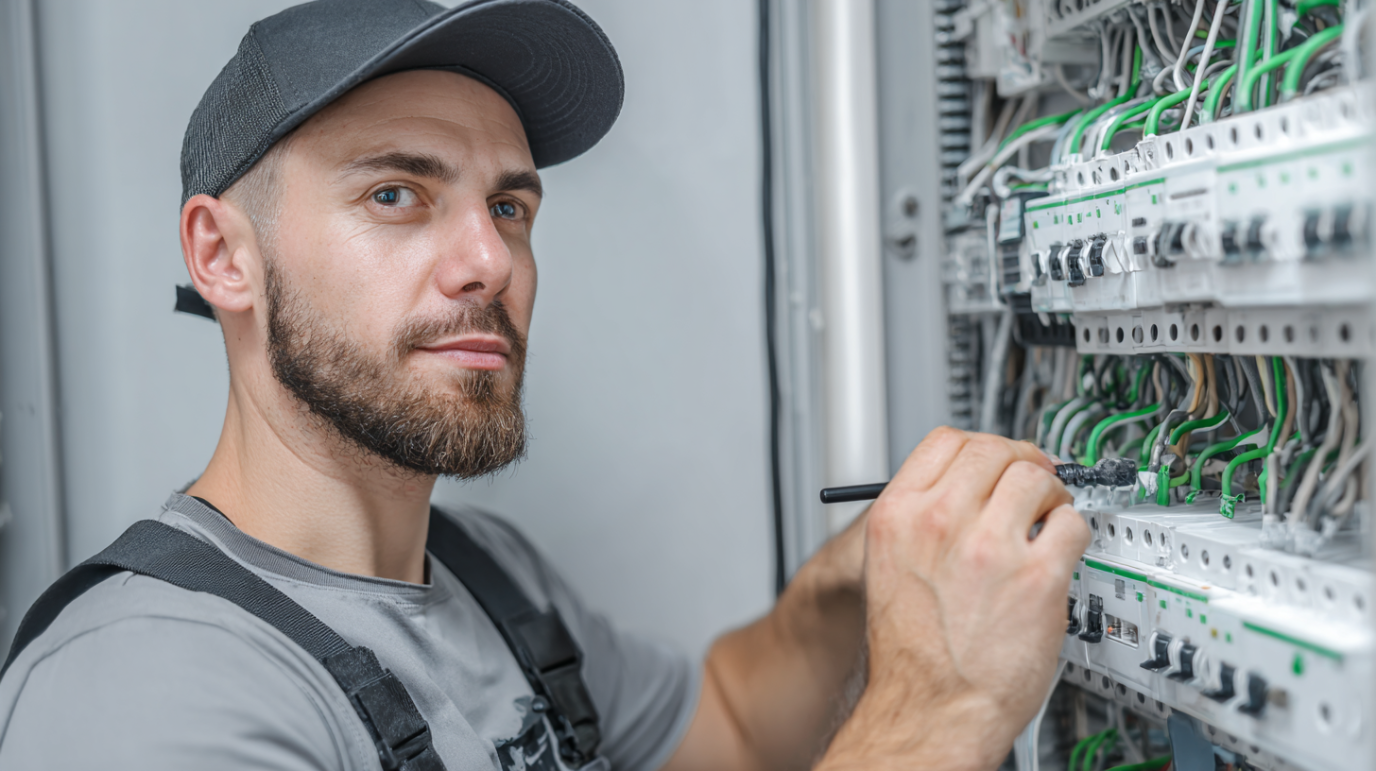
Schedule periodic inspections with a certified electrician to identify potential problems early. An expert can assess the condition of your wiring, outlets, and breaker panels, ensuring everything is in working order.
Upgrade Outdated Systems
If your home is older, consider upgrading outdated electrical systems. Modern wiring and breaker panels are designed to handle today’s power demands, reducing the risk of failures.
Energy Efficiency
Adopting energy-efficient practices not only reduces electricity bills but also eases the load on your electrical system, preventing failures.
| Practice | Benefit |
|---|---|
| LED Lighting | Reduces energy consumption and lasts longer than incandescent bulbs. |
| Smart Power Strips | Automatically cuts power to devices not in use, preventing phantom loads. |
| Energy Efficient Appliances | Consumes less power, reducing strain on circuits. |
Dealing with Electrical Surges
Electrical surges can damage appliances and electronics. Installing surge protectors is a simple yet effective way to shield your devices from unexpected power spikes.
Conclusion
Preventing common electrical failures at home is a matter of regular maintenance, timely upgrades, and adopting energy-efficient practices. By understanding the potential issues and implementing preventive measures, homeowners can protect their property and ensure a reliable power supply.
Take action today to secure your home’s electrical system and enjoy peace of mind.
Similar articles
FAQ
What should I do if my circuit breaker keeps tripping?
Check for overloaded circuits and unplug some devices. If the problem persists, consult an electrician.
How often should I have my electrical system inspected?
It’s recommended to have a professional inspection every 3 to 5 years, or more frequently if your home is older.
Are power surges dangerous?
Yes, they can damage appliances and electronics. Installing surge protectors can mitigate this risk.
How can I tell if my wiring is outdated?
Signs include frequent breaker trips, flickering lights, or a burning smell. An electrician can provide a thorough assessment.
Can I perform electrical upgrades myself?
For safety and compliance, it’s best to hire a licensed electrician for major upgrades.