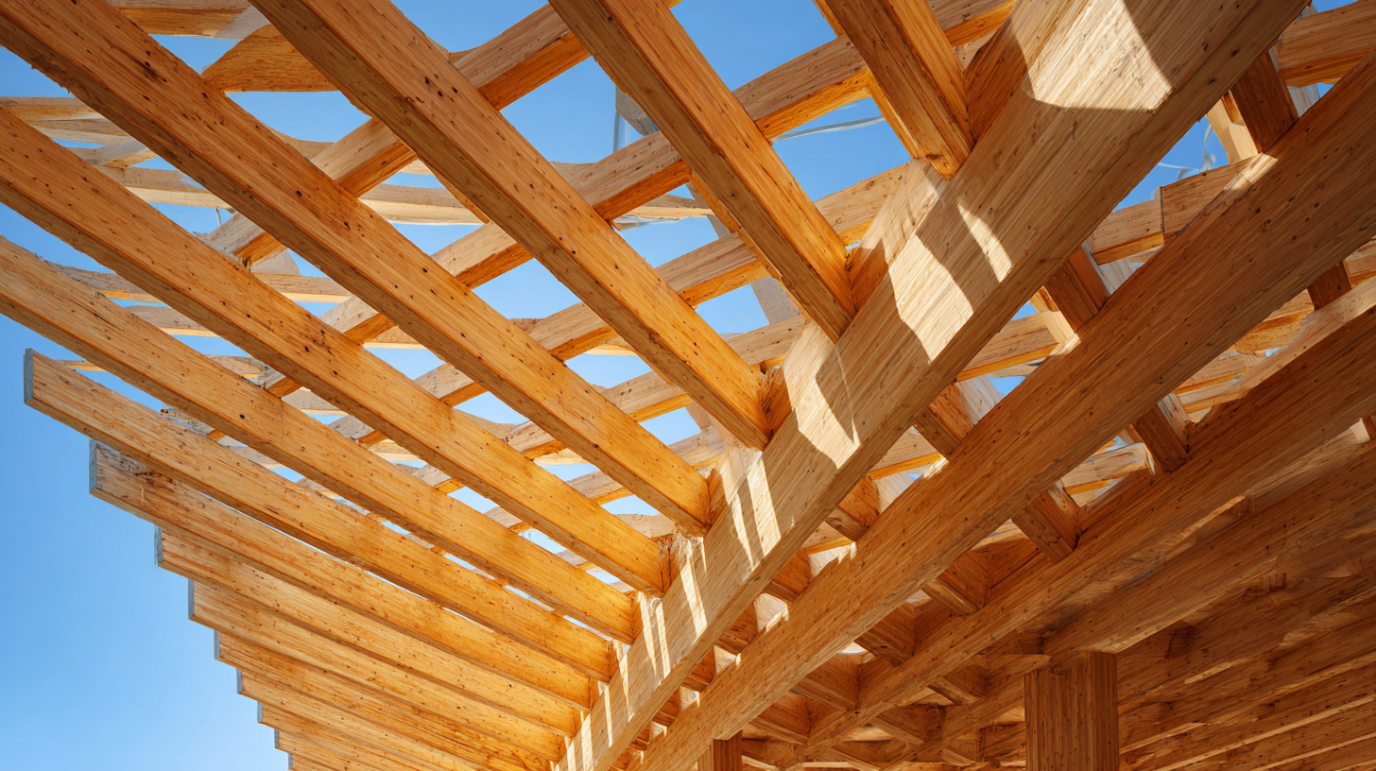
Wooden structures have been a cornerstone in construction for centuries due to their aesthetic appeal and sustainability. However, to ensure their longevity, it is crucial to maintain and protect them effectively. This article delves into expert strategies and practical tips for preserving wooden structures, focusing on prevention, maintenance, and repair.
Understanding the Vulnerabilities of Wood
Wood, as a natural material, is susceptible to various environmental factors such as moisture, sunlight, and pests. These elements can lead to decay, warping, and other structural issues if not adequately addressed. Understanding these vulnerabilities is the first step in developing a robust maintenance plan.
Regular Inspection and Maintenance
Regular inspection is vital in identifying early signs of damage. Conduct thorough checks for cracks, rot, and pest infestations at least twice a year. Implement a maintenance schedule that includes cleaning, sealing, and painting as necessary to protect the wood from moisture and UV damage.
Protective Coatings and Treatments
Applying protective coatings such as sealants and stains can significantly enhance the durability of wooden structures. These treatments provide a barrier against water infiltration and UV rays, which are primary culprits in wood degradation.
Preservation Techniques
| Technique | Benefits | Drawbacks |
|---|---|---|
| Sealants | Prevents moisture infiltration | Requires regular reapplication |
| Wood Stains | Enhances natural beauty | May alter wood color |
| Pressure Treatment | Long-term protection | Chemical use may be a concern |
Dealing with Common Wood Issues
Despite best efforts, wooden structures can suffer from common issues like insect infestation and rot. Solutions include using insecticides specifically designed for wood and replacing affected areas promptly to prevent further damage.
Conclusion
Maintaining and protecting wooden structures requires a proactive approach encompassing regular maintenance, application of protective treatments, and timely repairs. By understanding the vulnerabilities of wood and implementing these strategies, you can significantly extend the life of your wooden structures.
For more expert advice, explore our other articles on building sustainable and durable structures.
Similar articles
- Best materials for strong and durable structures
- Common structural construction mistakes to avoid
- Types of concrete used in modern construction
- How to improve cement strength in extreme weather
- Benefits of wood in sustainable construction projects
- Best insulation materials for energy efficiency
- How to choose the right thermal insulation
FAQ
How often should I inspect my wooden structures?
Inspections should be conducted at least twice a year, ideally in spring and autumn.
What is the best way to prevent wood rot?
Ensure proper sealing and regular maintenance to keep moisture away from the wood.
Can I use any sealant on wooden structures?
Use sealants specifically designed for wood to ensure compatibility and effectiveness.
What are signs of pest infestation in wood?
Look for small holes, sawdust, and unusual noises within the wood.
Is pressure-treated wood safe for indoor use?
Pressure-treated wood is generally safe for outdoor use, but check for specific indoor safety ratings.