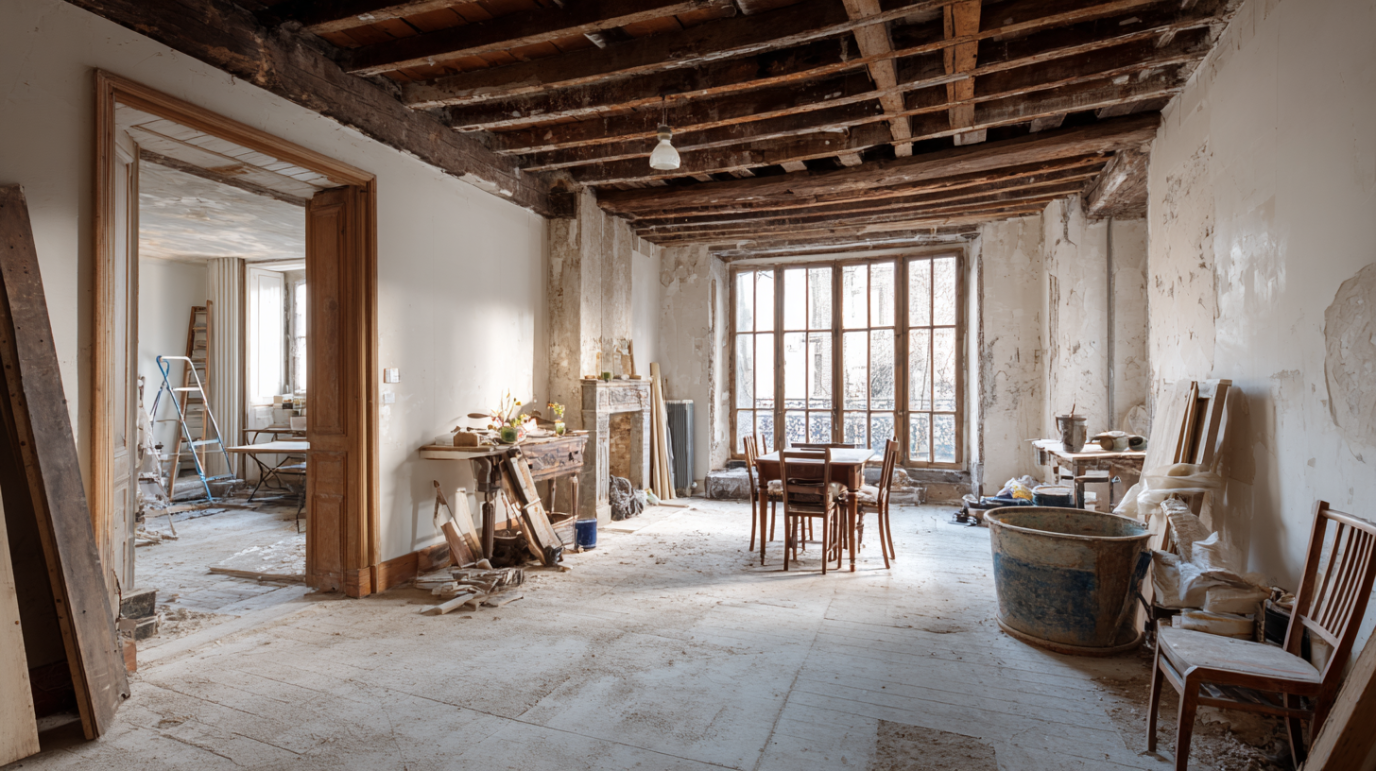
Renovating an old house is an exciting yet challenging endeavor. While the idea of transforming a historic property into a modern living space can be appealing, it’s crucial to approach the renovation process with caution to preserve the structural integrity of the building. This guide will provide you with essential tips and strategies to ensure your renovation project is a success without compromising the structure of your old house.
Understanding the Structure
Before embarking on any renovation project, it’s vital to understand the existing structure of your old house. This includes performing a thorough inspection to assess the condition of the foundation, walls, roof, and other critical components. Hiring a structural engineer can provide valuable insights and help identify any potential issues that need to be addressed before renovation begins.
Structural Assessment
A comprehensive structural assessment is the first step in ensuring a successful renovation. The engineer will evaluate the building for signs of wear and tear, such as cracks in the foundation, sagging roofs, or compromised load-bearing walls. Addressing these issues early can prevent costly repairs down the line.
Preserving Architectural Features
Old houses often come with unique architectural features that add character and charm. When renovating, it’s important to preserve these elements to maintain the historical significance of the property. Consider restoring original woodwork, maintaining period-specific details, and using materials that match the original construction where possible.
Renovation Strategies
Once the structural assessment is complete, you can begin planning your renovation. Here are some strategies to ensure the process is smooth and successful:
Plan for Modern Upgrades
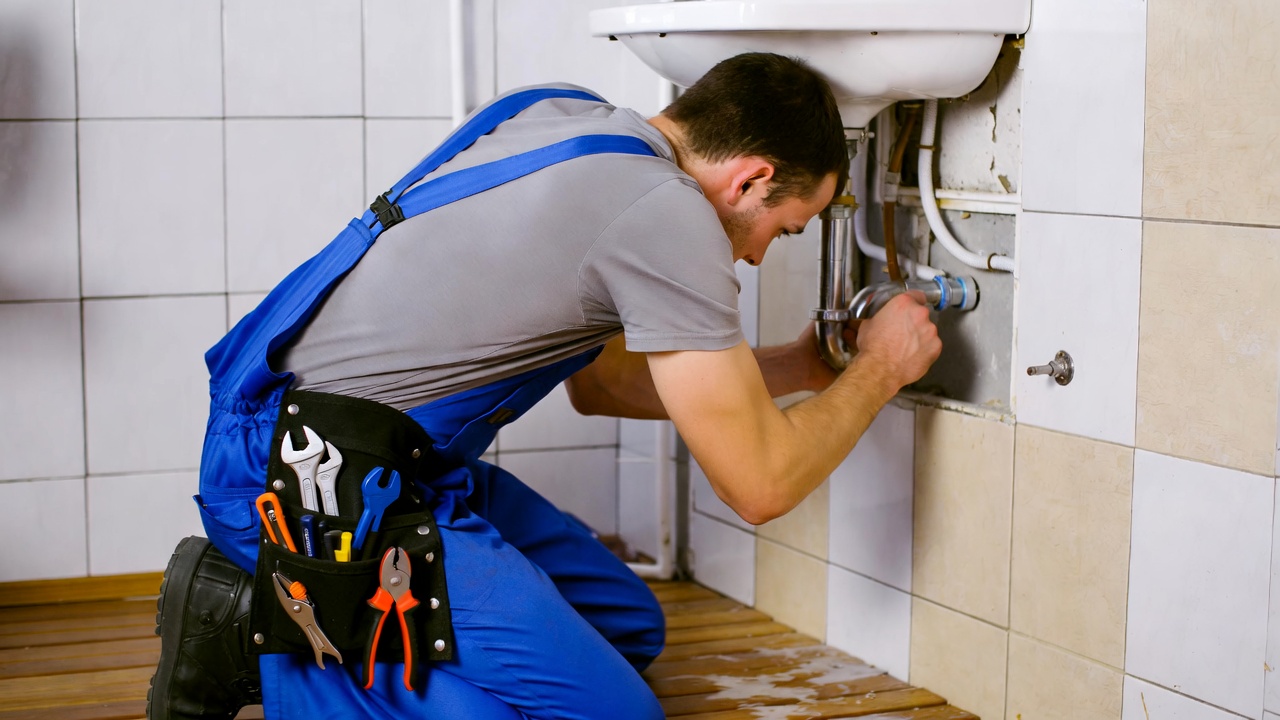
While preserving the old, you can still incorporate modern amenities to enhance comfort and functionality. Consider updating the electrical wiring, plumbing, and HVAC systems to meet current standards and improve energy efficiency.
Use Compatible Materials
When choosing materials for the renovation, opt for those that are compatible with the existing structure. This includes using similar types of wood, stone, or brick to maintain the aesthetic and structural continuity.
| Material | Original | Replacement |
|---|---|---|
| Wood | Oak | Reclaimed Oak |
| Brick | Red Clay Brick | Matching Salvaged Brick |
| Stone | Limestone | Recycled Limestone |
Work with Skilled Professionals
Hiring skilled professionals who specialize in renovating old houses can make a significant difference in the outcome of your project. These experts have the experience and knowledge to tackle the unique challenges that come with renovating historic properties.
Conclusion
Renovating an old house requires careful planning and execution to preserve its structural integrity and historical significance. By following the strategies outlined in this guide, you can transform your property into a modern, comfortable living space without compromising its original charm.
Ready to start your renovation project? Consult with a structural engineer today to ensure a safe and successful renovation.
Similar articles
FAQ
What are the first steps in renovating an old house?
The first steps include conducting a thorough inspection and structural assessment to identify any issues that need addressing.
How can I preserve the historical features of my old house?
Preserve historical features by restoring original elements, using period-appropriate materials, and working with skilled artisans.
What modern upgrades are recommended for old houses?
Recommended upgrades include updating electrical, plumbing, and HVAC systems to improve safety and energy efficiency.
Should I hire a professional for my renovation project?
Yes, hiring professionals with experience in renovating old houses can ensure the project is done correctly and safely.
What materials should I use for renovating an old house?
Use materials that are compatible with the original construction, such as reclaimed wood and matching salvaged bricks.