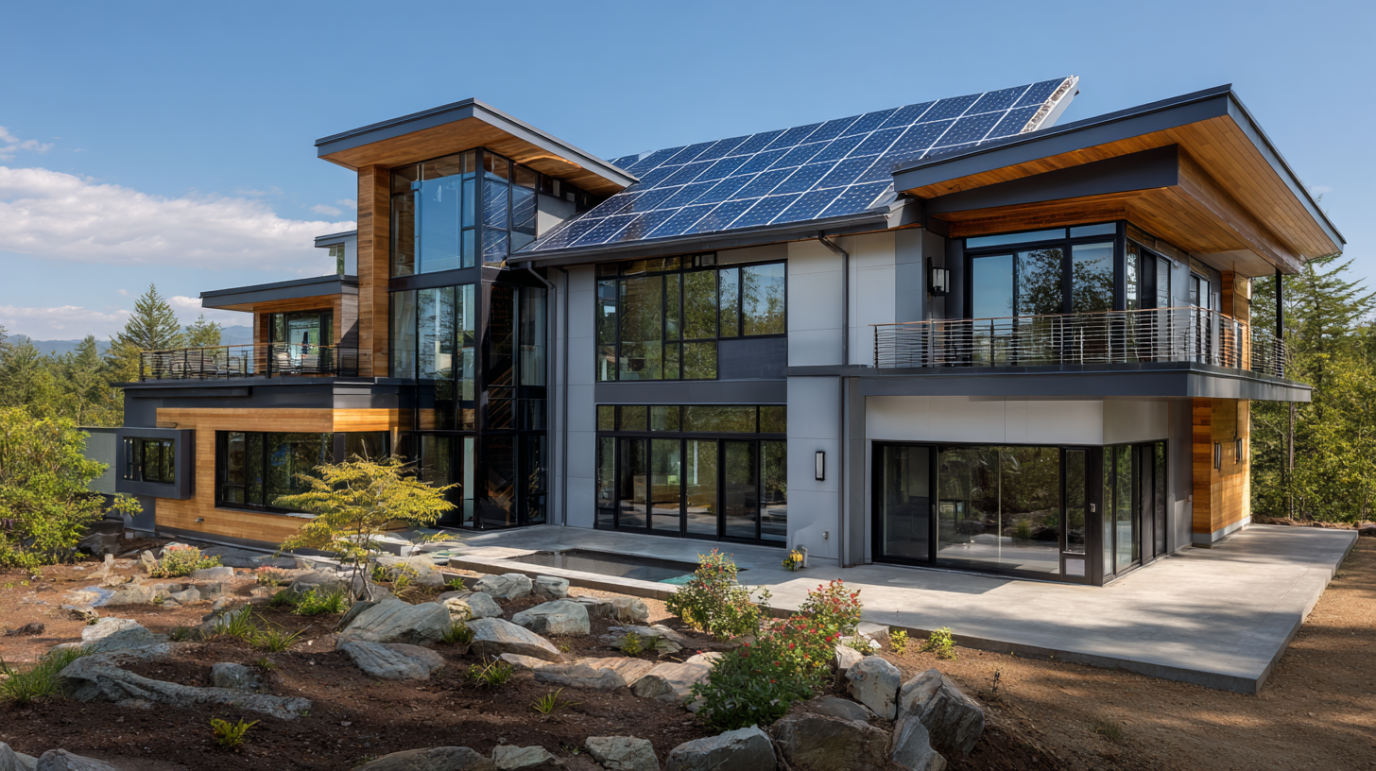
In the face of climate change and rising energy costs, modern residential construction techniques are increasingly focused on energy efficiency. Homeowners and builders alike are seeking innovative methods to reduce energy consumption while maintaining comfort and style. This article delves into the latest construction techniques that are setting the stage for sustainable living, offering insights into how these methods can be applied to create homes that are both eco-friendly and cost-effective.
Understanding Energy Efficiency in Homes
Energy efficiency in residential buildings is crucial for minimizing environmental impact and reducing utility bills. The construction industry has been revolutionized by techniques that enhance thermal insulation, optimize air sealing, and integrate renewable energy sources.
Insulation Techniques
Insulation plays a pivotal role in maintaining a home’s temperature. Advanced materials such as spray foam, rigid foam, and reflective insulation have proven to be more effective than traditional fiberglass. These materials are designed to provide superior thermal resistance, reducing the need for heating and cooling.
Air Sealing Strategies
Proper air sealing prevents unnecessary heat loss and gain. Techniques such as caulking and weather stripping, along with advanced blower door testing, ensure that homes are airtight, which significantly enhances energy efficiency.
Innovative Construction Methods
Passive House Design
The Passive House standard emphasizes airtightness, insulation, and heat recovery ventilation systems. Homes built to this standard can reduce their energy consumption by up to 90% compared to conventional homes.
Net-Zero Energy Homes
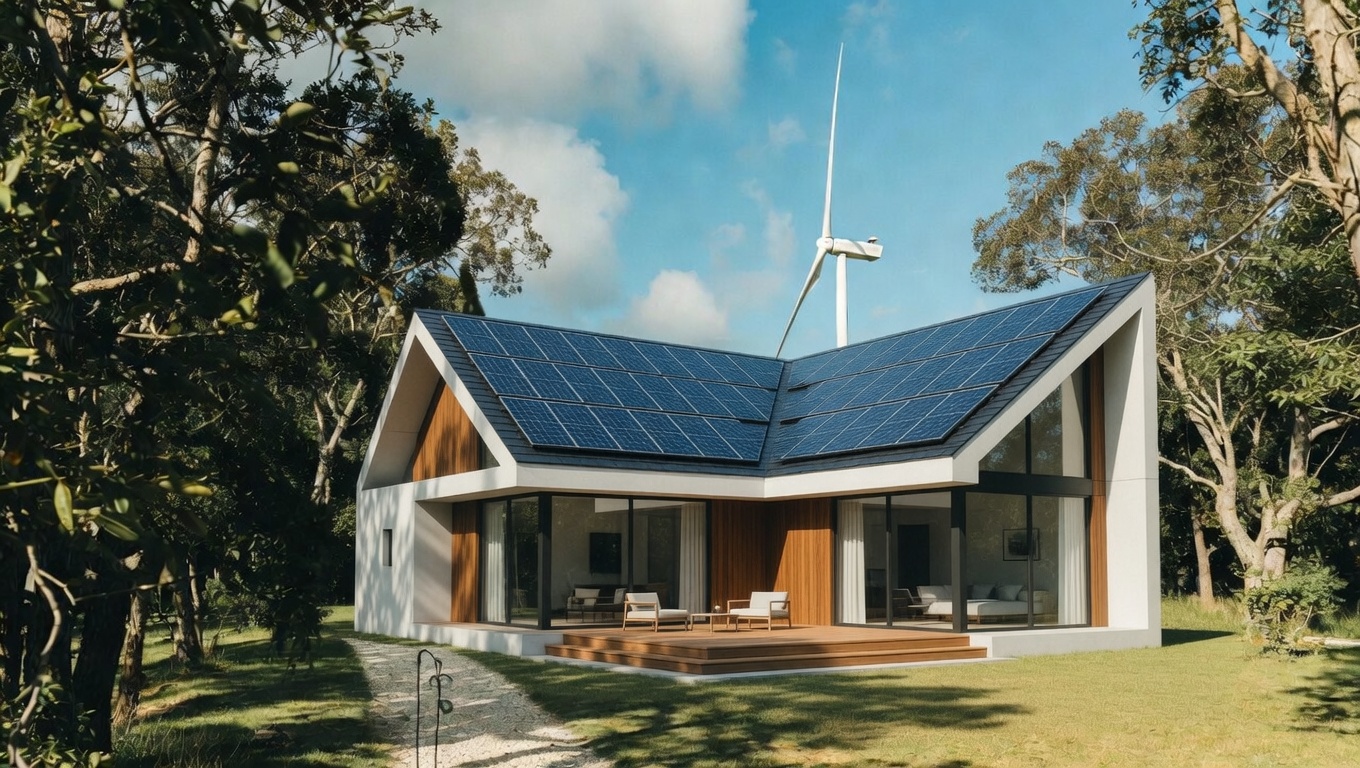
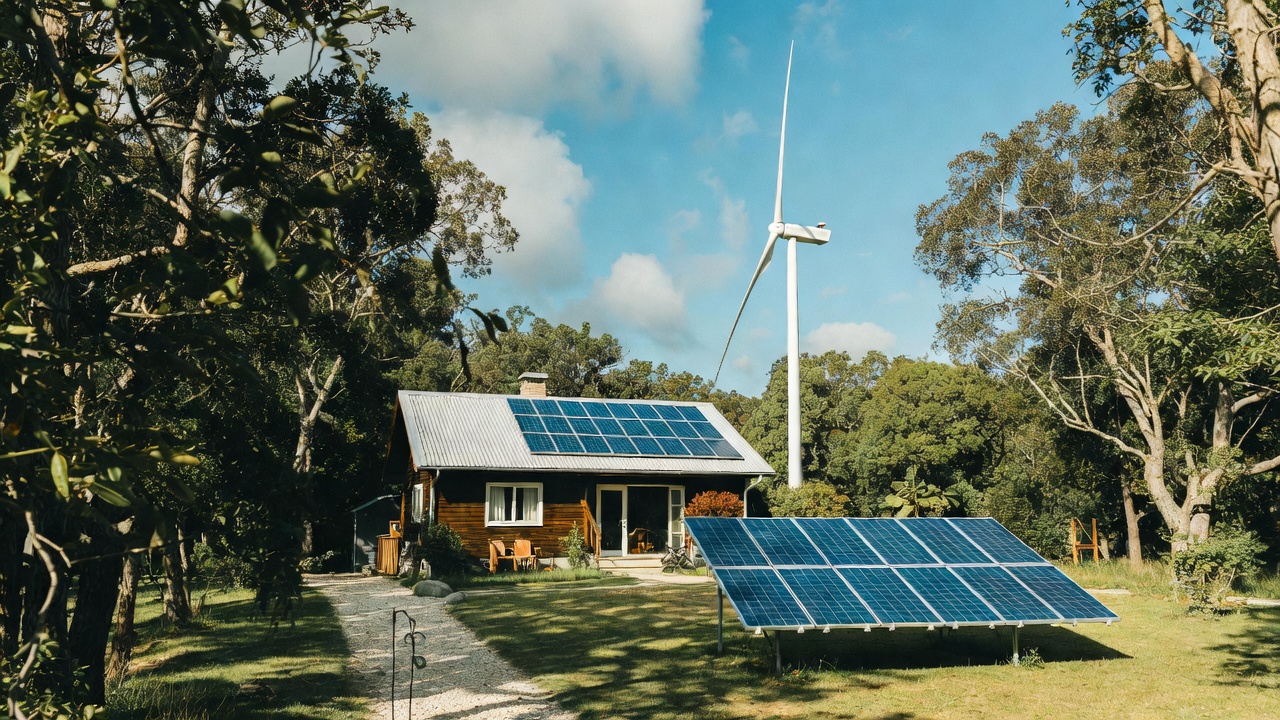
Net-zero energy homes are designed to produce as much energy as they consume. This is achieved through a combination of energy-efficient construction techniques and on-site renewable energy systems like solar panels and wind turbines.
Prefabricated and Modular Construction
Prefabricated and modular homes are constructed off-site in controlled environments, reducing waste and improving precision. These methods allow for better quality control and faster construction times, contributing to energy efficiency.
| Technique | Energy Savings | Cost |
|---|---|---|
| Spray Foam Insulation | Up to 50% | Moderate |
| Passive House | Up to 90% | High |
| Net-Zero Energy | 100% | High |
| Modular Construction | Varies | Varies |
Conclusion
Modern residential construction techniques are paving the way for energy-efficient homes that are not only sustainable but also comfortable and stylish. By integrating innovative methods such as improved insulation, air sealing, and renewable energy sources, builders can significantly reduce the environmental impact of new homes.
For those interested in building or renovating their homes, embracing these modern techniques is a step towards a sustainable future. Contact us today to learn more about how you can incorporate these methods into your next project.
Similar articles
FAQ
What is a Passive House?
A Passive House is a building standard that results in ultra-low energy buildings that require little energy for heating or cooling.
How do net-zero energy homes work?
Net-zero energy homes generate as much energy as they consume through renewable energy systems like solar panels.
What are the benefits of modular construction?
Modular construction offers faster build times, reduced waste, and improved quality control.
Why is insulation important in energy-efficient homes?
Insulation is crucial for maintaining indoor temperature and reducing the need for heating and cooling, which saves energy.
How can I improve air sealing in my home?
Improving air sealing can be achieved through caulking, weather stripping, and using advanced testing methods like blower door tests.