As the construction industry increasingly shifts towards sustainable practices, the use of wood as a primary building material is gaining significant attention. Wood, a renewable resource, offers numerous environmental and structural benefits that align with modern sustainability goals. From reducing carbon footprints to enhancing energy efficiency, wood is proving to be a pivotal component in sustainable construction projects worldwide.
Environmental Benefits of Wood
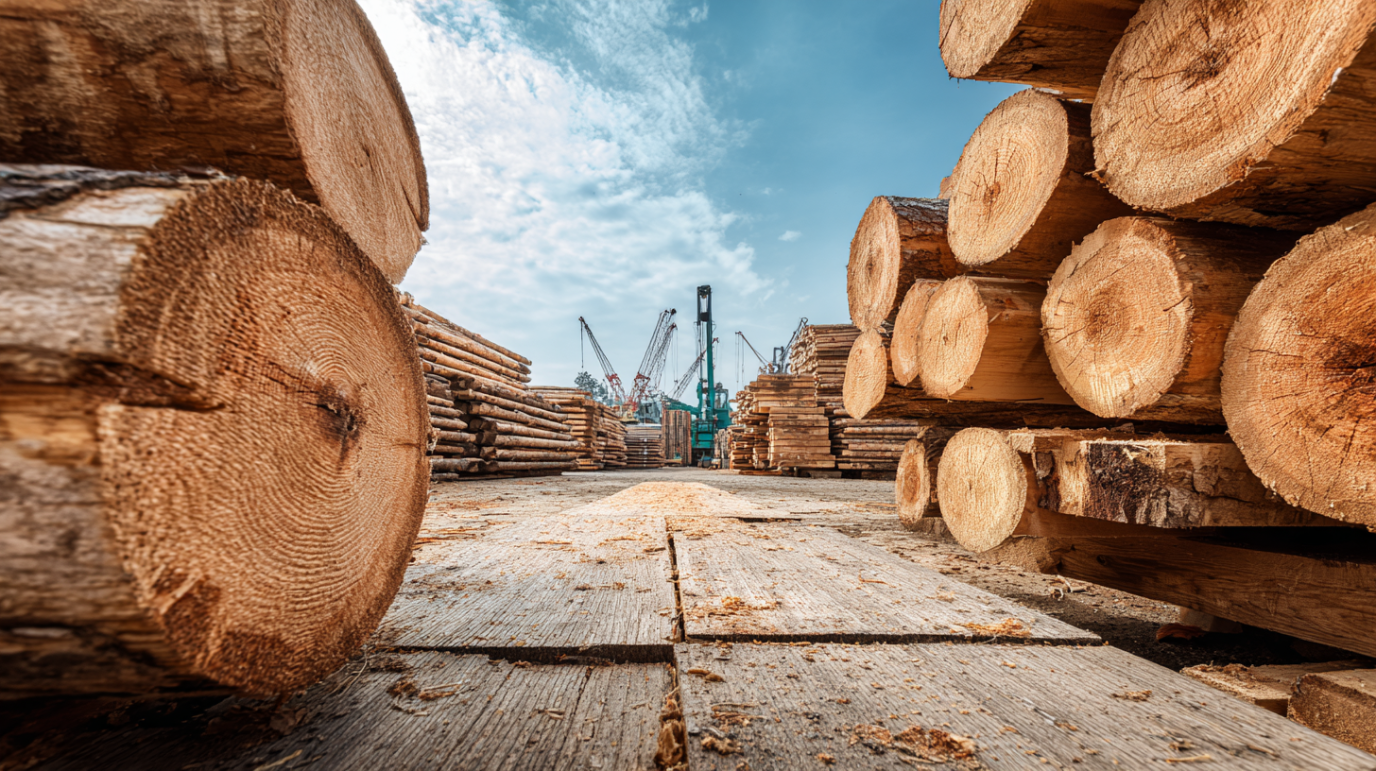
Wood is a natural, renewable resource that absorbs carbon dioxide from the atmosphere. During its growth, a tree sequesters carbon, which remains stored even when the wood is used in construction. This property makes wood an excellent choice for reducing the carbon footprint of buildings. Moreover, the production and processing of wood require less energy compared to other building materials like steel or concrete, further contributing to its environmental benefits.
Wood’s Role in Energy Efficiency
Wood’s natural insulating properties help in maintaining energy efficiency in buildings. It minimizes the need for artificial heating and cooling, leading to lower energy consumption. This is particularly advantageous in regions with extreme weather conditions, where energy efficiency is crucial for both cost savings and environmental impact reduction.
Structural and Aesthetic Advantages
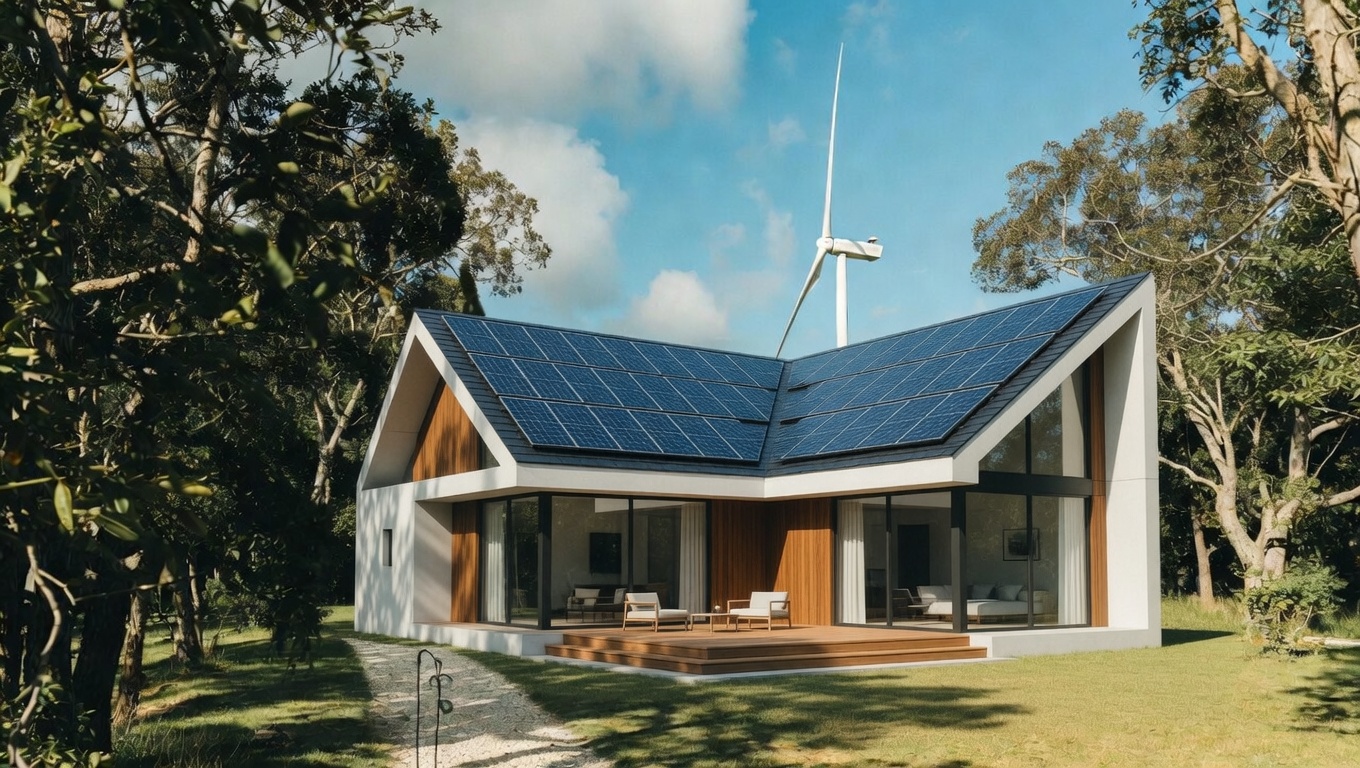
Aside from its environmental perks, wood offers structural flexibility and aesthetic appeal. It can be used in various forms, such as timber frames, plywood, and cross-laminated timber (CLT), each providing unique benefits. Wood’s versatility allows architects to design innovative and visually appealing structures that blend seamlessly with natural surroundings.
| Material | Embodied Energy (MJ/kg) | Carbon Sequestration |
|---|---|---|
| Wood | 2.0 | High |
| Concrete | 1.8 | Low |
| Steel | 35.0 | None |
Economic Benefits of Using Wood
The economic advantages of using wood in construction are substantial. Wood is often more cost-effective than other materials due to its lower manufacturing and transportation costs. Furthermore, wooden buildings can be constructed faster, saving on labor costs and reducing project timelines.
Conclusion
Wood is an indispensable material in sustainable construction projects, offering environmental, structural, and economic benefits. Its ability to reduce carbon footprints, enhance energy efficiency, and provide aesthetic appeal makes it a preferred choice in modern building designs. As the industry continues to evolve, the role of wood will likely expand, driving further innovations in sustainable construction.
Similar articles
- Best materials for strong and durable structures
- Common structural construction mistakes to avoid
- Types of concrete used in modern construction
- How to improve cement strength in extreme weather
- How to maintain and protect wooden structures
- Best insulation materials for energy efficiency
- How to choose the right thermal insulation
FAQ
Why is wood considered sustainable?
Wood is renewable, absorbs CO2 during growth, and requires less energy for processing.
How does wood contribute to energy efficiency?
Wood has natural insulating properties, reducing the need for artificial heating and cooling.
Is wood cost-effective compared to steel and concrete?
Yes, wood is generally cheaper to produce and transport and allows for quicker construction.
Can wood structures be as strong as steel or concrete?
Yes, especially with engineered wood products like CLT, which offer comparable strength.
What are the aesthetic benefits of using wood?
Wood provides a natural and warm appearance, allowing for unique architectural designs.