As the world increasingly focuses on sustainability, energy efficiency in buildings has become a top priority. Insulation plays a crucial role in maintaining energy efficiency by reducing heat loss and gain, which in turn decreases the reliance on heating and cooling systems. In this comprehensive guide, we will explore the best insulation materials for energy-efficient buildings, examining their properties, benefits, and applications.
Understanding the Importance of Insulation
Insulation is a key component in building construction that helps regulate temperature, enhance comfort, and reduce energy consumption. Effective insulation minimizes the transfer of heat through walls, roofs, and floors, ensuring that buildings remain warm in the winter and cool in the summer.
Top Insulation Materials for Energy Efficiency
1. Fiberglass Insulation
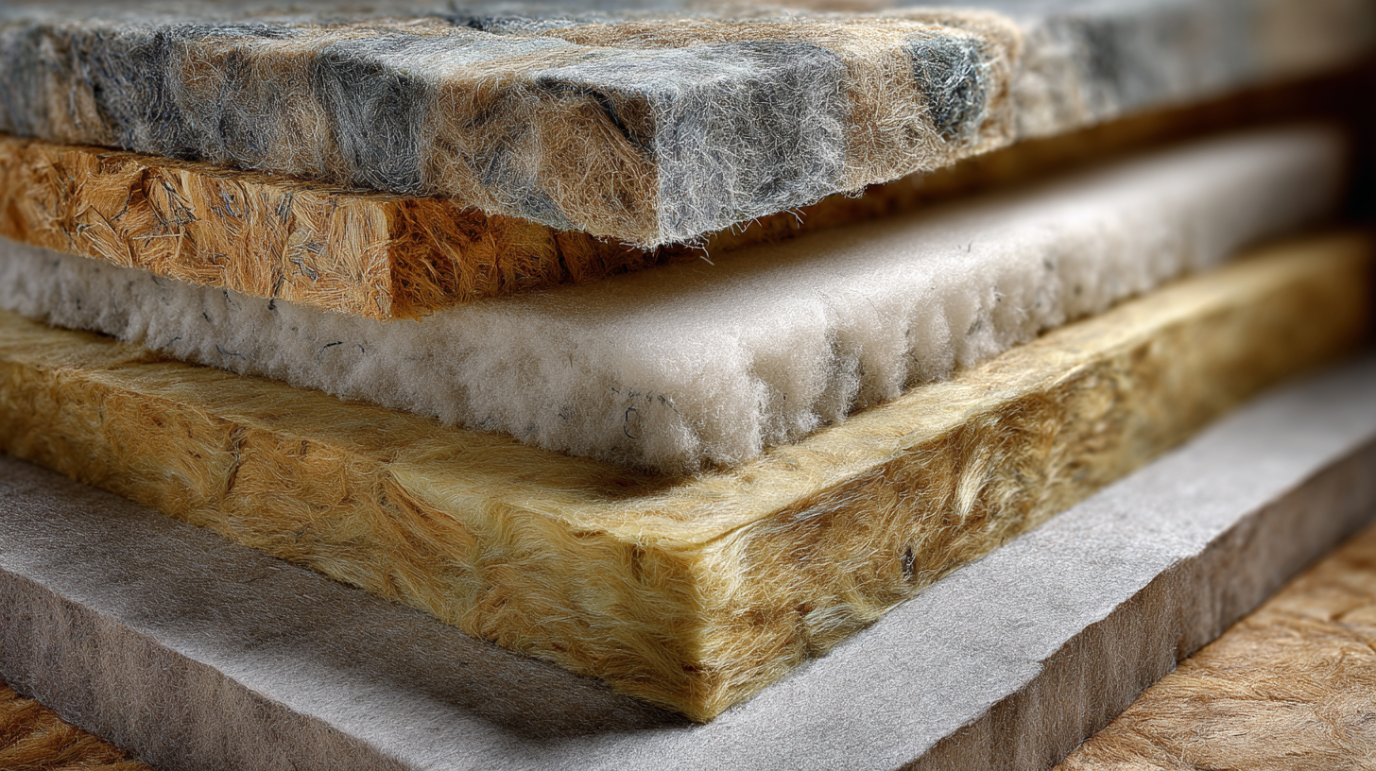
Fiberglass is one of the most commonly used insulation materials due to its effectiveness and affordability. Made from fine strands of glass, it is available in batts, rolls, and loose-fill forms. Fiberglass insulation is known for its excellent thermal performance and fire resistance.
2. Mineral Wool Insulation
Mineral wool, including rock wool and slag wool, offers superior soundproofing qualities and fire resistance. It is made from natural or recycled materials and is often used in industrial and residential applications.
3. Spray Foam Insulation
Spray foam insulation is a versatile and effective solution that expands to fill gaps and crevices, providing an airtight seal. It is ideal for irregularly shaped areas and offers high thermal resistance.
4. Cellulose Insulation
Cellulose insulation is an eco-friendly option made from recycled paper products. It is treated with fire retardants and provides excellent thermal and sound insulation properties.
5. Reflective or Radiant Barrier
Reflective insulation, or radiant barrier, is designed to reflect heat away rather than absorbing it. This material is particularly effective in hot climates and is often used in attics to reduce cooling costs.
| Material | R-value per inch | Cost per square foot | Environmental Impact |
|---|---|---|---|
| Fiberglass | 2.2 – 2.7 | $0.40 – $0.50 | Low |
| Mineral Wool | 3.0 – 3.3 | $0.60 – $0.75 | Medium |
| Spray Foam | 3.5 – 6.5 | $1.00 – $1.50 | High |
| Cellulose | 3.2 – 3.8 | $0.50 – $0.60 | Low |
| Reflective Barrier | N/A | $0.15 – $0.30 | Low |
Considerations for Choosing Insulation
When selecting insulation for an energy-efficient building, consider factors such as climate, building design, budget, and environmental impact. The insulation’s R-value, which measures thermal resistance, is a critical factor in determining its effectiveness.
Conclusion
Choosing the right insulation material can significantly impact the energy efficiency and sustainability of a building. By understanding the properties and benefits of different insulation types, builders and homeowners can make informed decisions that align with their specific needs and environmental goals.
Take action now to enhance your building’s energy efficiency with the right insulation material.
Similar articles
FAQ
What is the most energy-efficient insulation material?
Spray foam and mineral wool are among the most energy-efficient due to their high R-values.
How does insulation affect energy bills?
Proper insulation reduces the need for heating and cooling, leading to lower energy bills.
Is spray foam insulation worth the cost?
Yes, despite its higher upfront cost, spray foam offers superior insulation and energy savings over time.
Can I install insulation myself?
Some types like fiberglass batts can be DIY projects, but others like spray foam require professional installation.
How do I know if my building needs more insulation?
Signs include uneven temperatures, high energy bills, or drafts. An energy audit can provide detailed insights.