
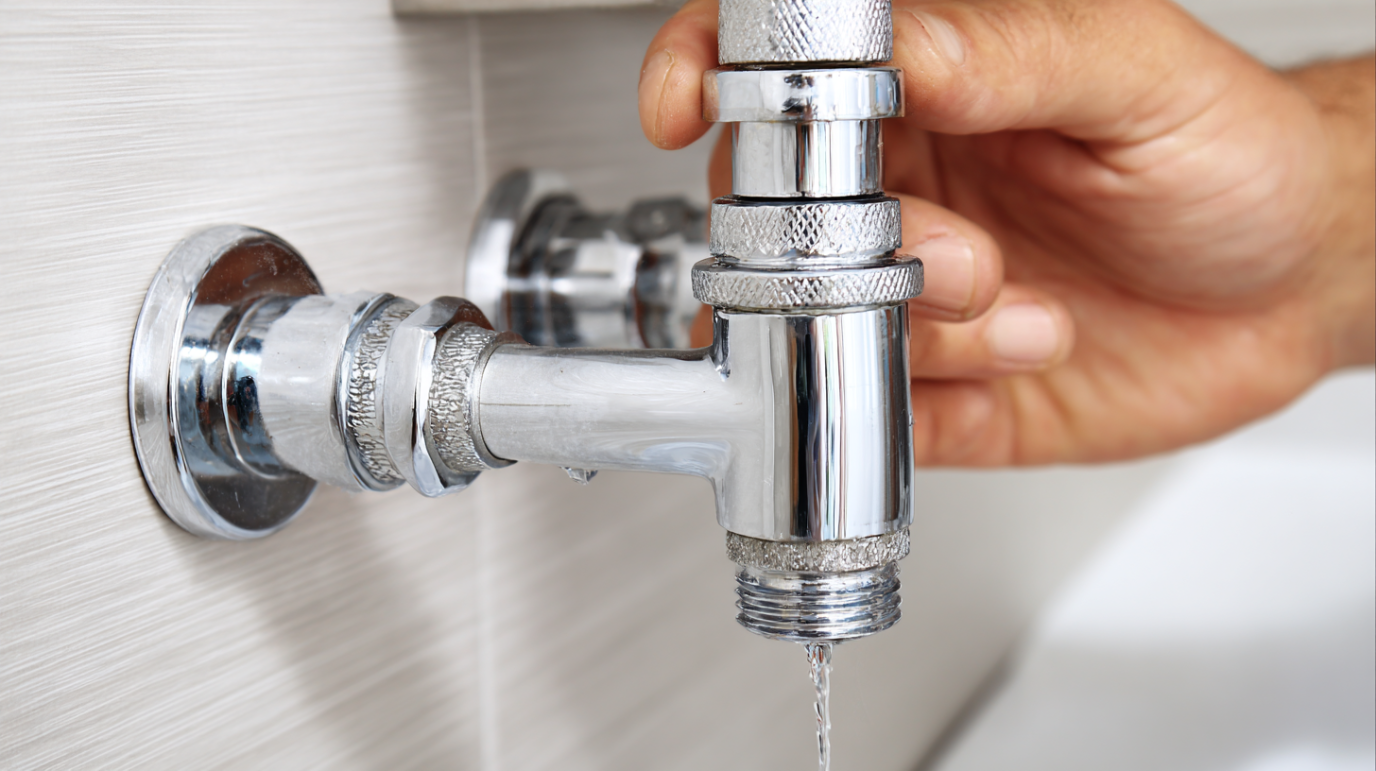
Plumbing installation is a critical component in the construction of new buildings. Ensuring that the system is well-planned and executed can prevent future issues such as leaks, blockages, and inefficient water flow. This guide aims to provide you with a comprehensive understanding of how to approach plumbing installation in new constructions, covering everything from initial planning to the final checks.
Understanding Plumbing Systems
Before installation begins, it is essential to understand the basic components of a plumbing system: water supply lines, drainage systems, and venting systems. A well-designed plumbing system ensures efficient water flow and waste removal, maintaining the health and safety standards of the building.
Planning the Layout
Proper planning is crucial to a successful plumbing installation. Consider the building’s architecture, local building codes, and the specific needs of the occupants. Use blueprints to map out the plumbing layout, ensuring that water supply and drainage are optimally placed.
| Component | Purpose | Considerations |
|---|---|---|
| Water Supply Lines | Deliver water to fixtures | Material type, pressure requirements |
| Drainage Systems | Remove wastewater | Slope, diameter, venting |
| Venting Systems | Prevent vacuum in pipes | Location, size |
Installation Process
1. Water Supply
The first step in installation is setting up the water supply lines. Choose the appropriate materials such as copper or PEX, considering factors like durability and local code requirements. Ensure that the lines are pressure-tested before proceeding.
2. Drainage
Next, install the drainage system, making sure to maintain the correct slope for efficient wastewater removal. Use ABS or PVC pipes, and ensure all connections are secure to prevent leaks.
3. Venting
Install the venting system to allow air into the drainage pipes, which prevents vacuums and ensures smooth flow. Proper venting also helps in reducing odors and maintaining a healthy environment.
Common Challenges and Solutions
Plumbing installations can face several challenges such as unexpected blockages or leaks. Regular inspections and pressure tests can help identify issues early. Additionally, staying updated with local code changes ensures compliance and efficiency.
Conclusion
Plumbing installation in new constructions requires careful planning and execution. By understanding the components, planning the layout, and following the correct installation procedures, you can ensure an efficient and reliable plumbing system.
Ready to start your plumbing project? Contact our experts for personalized advice.
Similar articles
FAQ
What materials are best for water supply lines?
Copper and PEX are popular choices due to their durability and flexibility.
How do I ensure my drainage system is efficient?
Maintain a proper slope and use the right diameter of pipes to ensure efficient drainage.
What are the key components of a plumbing system?
Water supply lines, drainage systems, and venting systems are the core components.
How often should plumbing systems be inspected?
Annual inspections are recommended to catch issues early and maintain system efficiency.
Is professional help necessary for plumbing installation?
Yes, hiring professionals ensures compliance with codes and reduces the risk of errors.