
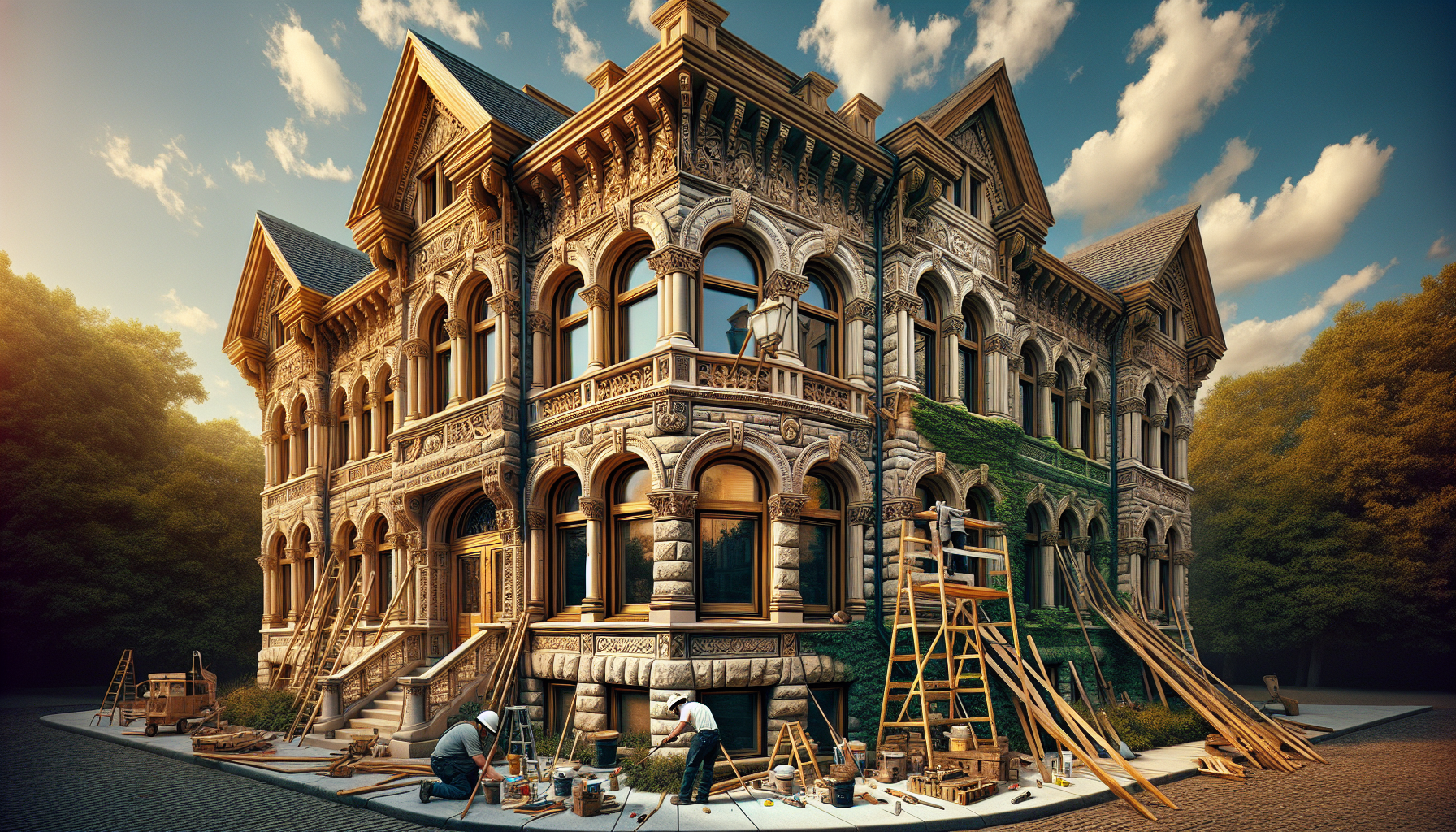
Restoring old buildings is both a challenging and rewarding endeavor that requires a blend of historical insight, architectural skill, and modern technology. As cities grow and evolve, the importance of preserving historical structures while making them functional for contemporary use becomes increasingly vital. This article delves into effective techniques for restoring old buildings, offering insights that are essential for anyone involved in such projects.
Understanding the historical context
Before any restoration project begins, understanding the historical and cultural significance of a building is crucial. This involves researching the architectural style, original materials used, and any historical events associated with the structure. Such knowledge helps guide the restoration process, ensuring that the building’s historical integrity is maintained.
Conducting a thorough assessment
A comprehensive assessment of the building’s current condition is vital. This includes structural integrity, electrical systems, plumbing, and any potential hazards such as asbestos or lead paint. Using modern technology, such as 3D laser scanning, can provide detailed insights into the building’s current state, helping to identify areas that require attention.
Choosing the right materials
Using materials that match the original construction as closely as possible is essential. For instance, if the original building used specific types of wood or stone, sourcing similar materials can help maintain aesthetic continuity. However, modern materials that offer improved durability and sustainability can also be integrated, provided they don’t detract from the building’s historical appearance.
| Original Material | Modern Alternative | Benefits |
|---|---|---|
| Lime mortar | Hydraulic lime | More durable and weather-resistant |
| Wooden beams | Engineered wood | Higher strength and stability |
| Single-pane glass | Double-glazed units | Improved insulation and energy efficiency |
Integrating modern technology
While the focus is on preserving the past, incorporating modern technology is crucial for making old buildings suitable for contemporary use. This includes updating electrical wiring, plumbing, and heating systems to meet current standards. Smart technology can also be integrated discreetly to enhance the building’s functionality without compromising its historical charm.
Ensuring compliance with regulations
Restoration projects must comply with local building codes and historical preservation regulations. Engaging with local conservation officers early in the project can ensure that all restoration activities are legally compliant and that the project receives the necessary approvals.
Conclusion
Restoring an old building is a delicate balance between preserving history and ensuring modern functionality. By employing effective restoration techniques, respecting historical integrity, and integrating modern conveniences, these architectural treasures can be preserved for future generations.
Engage with your local restoration experts to begin your project today.
Similar articles
FAQ
What are the first steps in restoring an old building?
Begin with a historical assessment and a structural evaluation to understand the building’s needs.
How do you maintain historical integrity during restoration?
Use original materials when possible and ensure any modern additions are sympathetic to the original design.
What modern technologies are used in restoration?
3D laser scanning, smart technology integration, and sustainable materials are commonly used.
How can I ensure my restoration project complies with regulations?
Consult with local conservation officers and ensure all work meets current building codes.
Why is it important to restore old buildings?
Restoring old buildings preserves cultural heritage and can adapt them for modern use, enhancing community value.