
Choosing the right thermal insulation for your home is a critical decision that can impact energy efficiency, comfort, and long-term savings. With numerous options available in the market, making an informed choice can seem daunting. This guide will walk you through the different types of insulation materials, their properties, and how to determine the best fit for your home. Whether you are constructing a new house or upgrading an existing one, understanding insulation is key to achieving optimal thermal performance.
Understanding Thermal Insulation
Thermal insulation is a material or a combination of materials that reduce heat transfer. The primary function is to keep your home warm in the winter and cool in the summer, thereby reducing energy costs. Insulation types vary based on material, R-value, cost, and environmental impact.
Common Insulation Materials
There are several common insulation materials you might consider:
- Fiberglass: One of the most popular choices, known for its affordability and effectiveness.
- Foam board: Offers high insulating value for relatively little thickness.
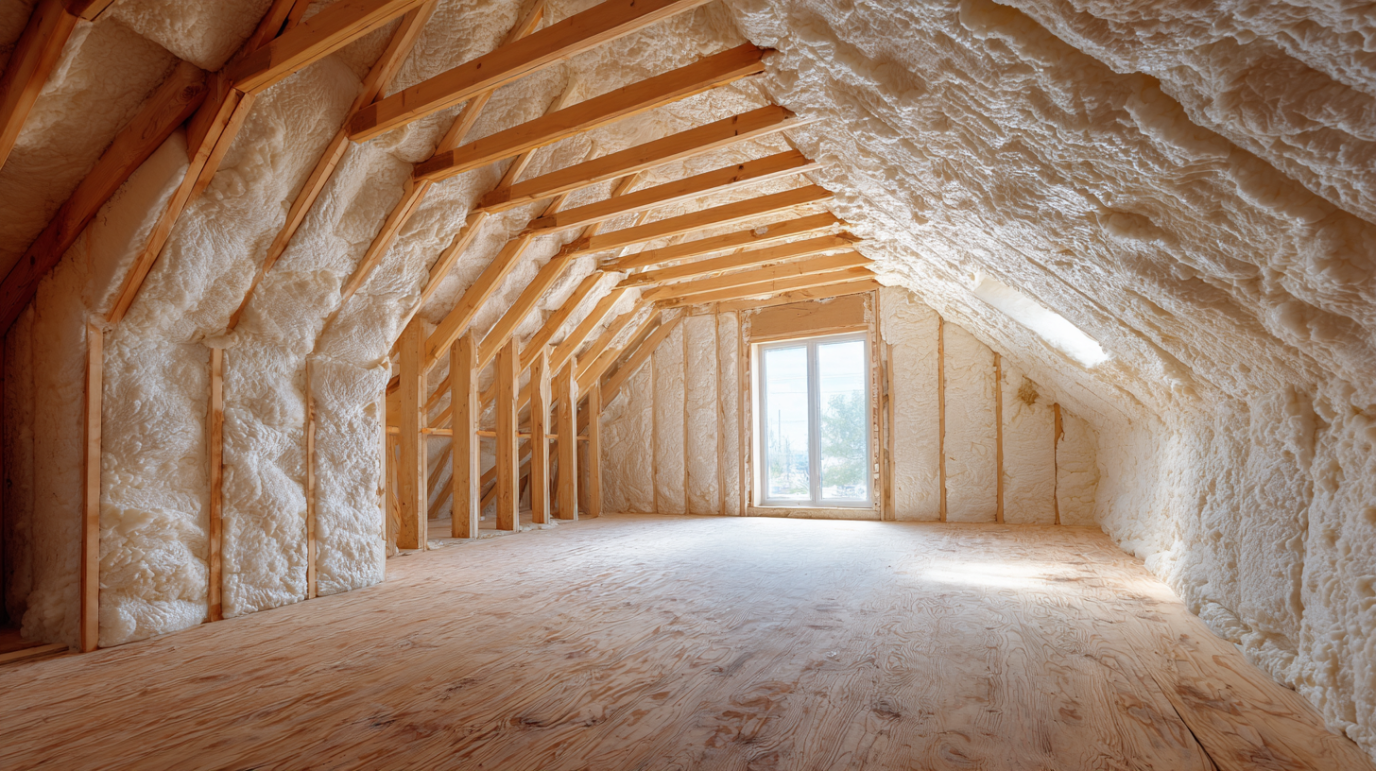
- Spray foam: Provides excellent thermal resistance and is ideal for sealing gaps.
- Cellulose: Made from recycled paper products and is an eco-friendly option.
- Mineral wool: Known for its fire resistance and soundproofing qualities.
Factors to Consider When Choosing Insulation
To make the best decision, consider the following factors:
- R-Value: Measure of thermal resistance. Higher R-values indicate better insulation performance.
- Climate: Your local climate will influence the type and thickness of insulation required.
- Budget: Different insulation materials come at varying costs. Consider both initial investment and long-term savings.
- Environmental Impact: Consider sustainable options that have lower environmental footprints.
Comparative Analysis of Insulation Materials
| Material | R-Value per Inch | Cost per Sq Ft | Eco-friendliness |
|---|---|---|---|
| Fiberglass | 2.2 – 2.7 | $0.40 – $0.50 | Moderate |
| Foam Board | 3.8 – 4.4 | $0.80 – $1.00 | Low |
| Spray Foam | 6.0 – 7.0 | $1.00 – $1.50 | Low |
| Cellulose | 3.2 – 3.8 | $0.75 – $1.00 | High |
| Mineral Wool | 3.0 – 3.3 | $0.60 – $1.10 | Moderate |
Conclusion
Choosing the right thermal insulation for your home involves evaluating multiple factors, including the material’s R-value, cost, and environmental impact. By considering these aspects and understanding your specific needs, you can enhance your home’s energy efficiency and overall comfort.
Make an informed decision today to ensure long-term energy savings and comfort in your home.
Similar articles
- Best materials for strong and durable structures
- Common structural construction mistakes to avoid
- Types of concrete used in modern construction
- How to improve cement strength in extreme weather
- Benefits of wood in sustainable construction projects
- How to maintain and protect wooden structures
- Best insulation materials for energy efficiency
FAQ
What is the most cost-effective insulation material?
Fiberglass is often considered the most cost-effective due to its low cost and good R-value.
How does climate affect insulation choice?
In colder climates, higher R-value insulation is needed, while milder climates may require less.
What is R-value?
R-value measures the resistance to heat flow; higher values indicate better insulating power.
Is spray foam insulation worth the cost?
Despite being more expensive, spray foam provides excellent sealing and thermal performance.
Which insulation is most environmentally friendly?
Cellulose insulation is often considered the most eco-friendly, being made from recycled materials.