
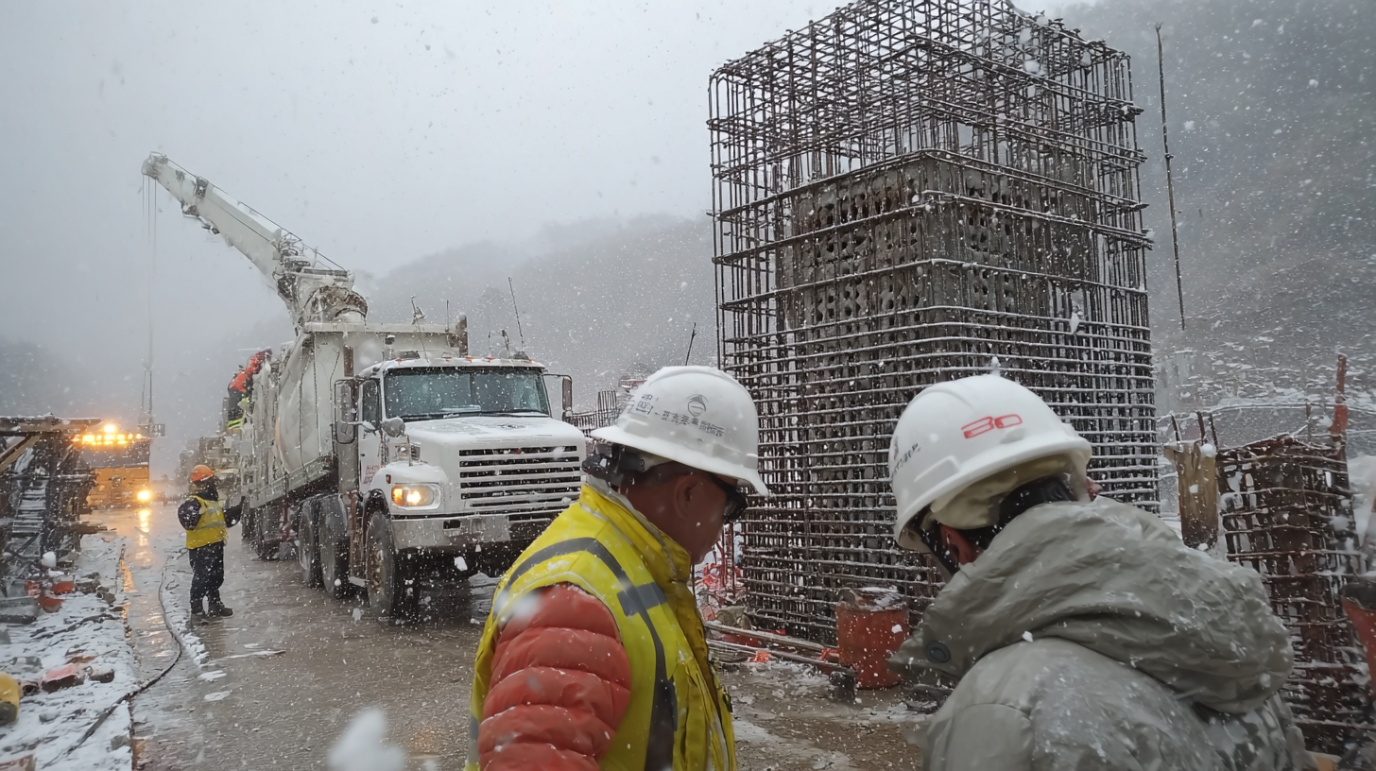
Building structures in areas with extreme weather conditions presents unique challenges, particularly when it comes to cement strength. The integrity of a building largely depends on the quality and durability of the cement used, which can be affected by temperature fluctuations, humidity, and other environmental factors. This article explores effective strategies and materials to improve the strength of cement when faced with extreme weather conditions, ensuring long-lasting and robust construction.
Understanding the impact of weather on cement strength
Extreme weather conditions, such as high temperatures, freezing cold, and heavy rainfall, can significantly affect cement curing and strength. In hot climates, rapid evaporation can lead to incomplete hydration, reducing the cement’s strength. Conversely, cold weather can slow down the hydration process, delaying strength gain and potentially leading to weaker structures.
High temperature effects
In hot weather, cement requires additional water for proper hydration. However, excessive heat can cause the water to evaporate too quickly. To mitigate this, it is crucial to maintain moisture by using curing compounds and coverings.
Cold temperature effects
Cold weather slows down the chemical reaction necessary for cement to harden. This can be addressed by using heated enclosures or blankets to maintain a suitable temperature for curing.
Techniques for enhancing cement strength
Use of admixtures
Admixtures can be added to the cement mix to enhance its properties. For instance, plasticizers improve workability, while accelerators can speed up the curing process in cold weather.
Proper curing methods
Effective curing is essential to prevent moisture loss. This can involve covering the cement with wet burlap or plastic sheeting and maintaining a consistent temperature.
Comparison of cement additives in extreme weather
| Type of Additive | Function | Effectiveness in Hot Weather | Effectiveness in Cold Weather |
|---|---|---|---|
| Plasticizers | Improve workability | High | Moderate |
| Accelerators | Speed up curing | Low | High |
| Retarders | Slow down setting | High | Low |
Case studies: Real-world applications
In Dubai, where temperatures can soar, builders use advanced curing techniques and admixtures to ensure cement strength. Meanwhile, in Canada, heated enclosures are common during winter construction to maintain curing efficiency.
Conclusion
Improving cement strength in extreme weather involves strategic planning and the right materials. By understanding the challenges posed by different climates and employing appropriate techniques, builders can ensure the durability and integrity of their structures.
For more insights and expert tips on construction, explore our related articles.
Similar articles
- Best materials for strong and durable structures
- Common structural construction mistakes to avoid
- Types of concrete used in modern construction
- Benefits of wood in sustainable construction projects
- How to maintain and protect wooden structures
- Best insulation materials for energy efficiency
- How to choose the right thermal insulation
FAQ
What are the effects of hot weather on cement?
Hot weather can cause rapid evaporation, leading to incomplete hydration and reduced strength.
How does cold weather affect cement curing?
Cold weather slows down the chemical reactions necessary for curing, delaying strength gain.
What are admixtures?
Admixtures are materials added to cement to enhance its properties, such as plasticizers and accelerators.
How can I maintain cement moisture?
Curing compounds and coverings like wet burlap or plastic sheeting can help maintain moisture.
Why is curing important in cement construction?
Curing ensures proper hydration, preventing moisture loss and ensuring strength development.