
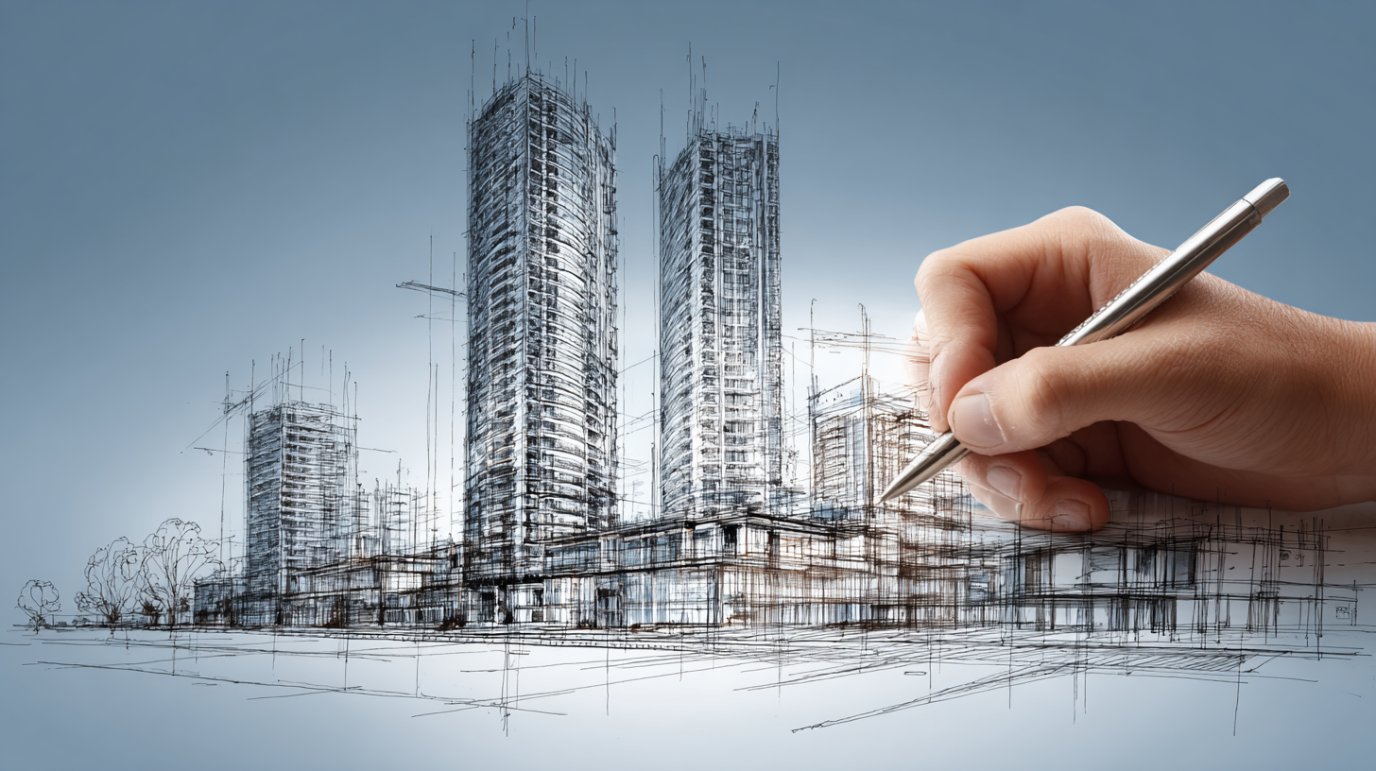
Planning and executing large-scale construction projects is a complex process that requires meticulous attention to detail, strategic planning, and effective execution. Such projects often involve multiple stakeholders, significant financial investments, and long timelines. Whether it’s building a skyscraper, a bridge, or an extensive residential complex, success is contingent upon a well-thought-out plan and its rigorous implementation. This article guides you through the essential steps and best practices for managing large-scale construction projects, ensuring you are well-prepared to tackle the challenges ahead.
Understanding the Scope and Objectives
Before embarking on a large-scale construction project, it is crucial to clearly define the project scope and objectives. This involves understanding the project requirements, identifying the key deliverables, and setting realistic timelines and budgets. Engaging all stakeholders early in the process ensures that everyone is aligned with the project’s goals and expectations.
Stakeholder Engagement
Effective stakeholder engagement is vital for the success of any construction project. Regular communication with stakeholders, including clients, contractors, and regulatory bodies, helps in managing expectations and addressing concerns promptly. Establishing a clear line of communication from the outset facilitates transparency and collaboration throughout the project lifecycle.
Design and Planning
The design phase is critical in shaping the project’s outcome. Collaborating with architects, engineers, and designers to create detailed plans and blueprints is essential. During this phase, it is important to consider factors such as sustainability, environmental impact, and compliance with regulations. Utilizing advanced design tools and software can enhance accuracy and efficiency in planning.
| Design Stage | Key Activities |
|---|---|
| Conceptual Design | Outline project vision, define requirements |
| Preliminary Design | Develop schematic designs, initial estimates |
| Detailed Design | Create detailed drawings, finalize specifications |
Execution and Management
Once the design is finalized, the execution phase begins. This involves coordinating the various aspects of construction, including scheduling, resource allocation, and quality control. Project managers play a pivotal role in monitoring progress, mitigating risks, and ensuring that the project adheres to the planned timeline and budget.
Risk Management
Identifying potential risks and developing mitigation strategies is crucial in large-scale projects. Common risks include unforeseen site conditions, supply chain disruptions, and regulatory changes. Implementing a robust risk management plan helps in minimizing disruptions and keeping the project on track.
Leveraging Technology
Technology plays an increasingly important role in construction management. Tools such as Building Information Modeling (BIM), project management software, and drones for site inspections can greatly enhance efficiency, accuracy, and safety in construction projects.
Conclusion
Successfully planning and executing large-scale construction projects requires a comprehensive approach that integrates strategic planning, effective communication, and innovative technology. By following these best practices, project managers can ensure that their projects are completed on time, within budget, and to the highest standards of quality.
Take the first step towards successful project management by implementing these strategies today.
Similar articles
FAQ
What are the key phases of construction project planning?
The key phases include project initiation, design and planning, execution, monitoring, and closure.
How can technology aid in construction project management?
Technology can improve accuracy and efficiency through tools like BIM, project management software, and drones for inspections.
Why is stakeholder engagement important in construction projects?
Engaging stakeholders ensures alignment on objectives and facilitates transparency and collaboration throughout the project.
What are common risks in large-scale construction projects?
Common risks include site conditions, supply chain disruptions, and regulatory changes, which can be managed with a robust risk management plan.
How do you ensure compliance with construction regulations?
Ensure compliance by staying informed about relevant regulations and involving legal experts during the planning phase.