
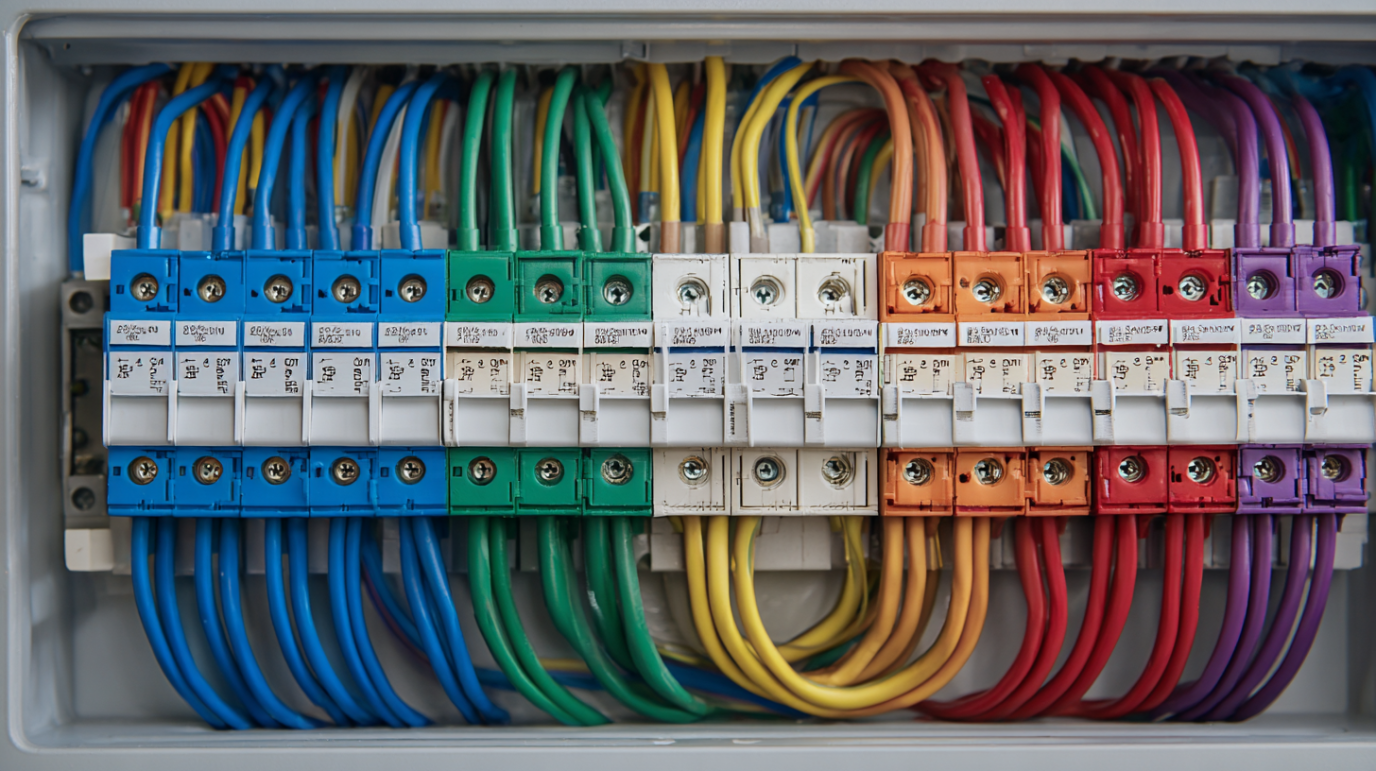
In the ever-evolving field of residential building construction, staying updated with the latest electrical installation standards is crucial. These standards ensure not only the safety of the occupants but also the efficiency and sustainability of the building’s electrical systems. Recent advancements and regulations have introduced significant changes, making it essential for builders, homeowners, and electricians to be well-informed about current practices and guidelines.
Understanding the Importance of Electrical Standards
Electrical installation standards are designed to ensure that electrical systems are safe, reliable, and energy-efficient. These standards help prevent electrical hazards such as shocks, fires, and equipment failures. Compliance with these standards is mandatory and is enforced by various building codes and regulations at both national and local levels.
Key Updates in Recent Standards
The most recent updates in electrical standards for residential buildings focus on enhancing safety and incorporating new technologies. For instance, the National Electrical Code (NEC) in the United States has introduced several changes, including requirements for arc-fault circuit interrupters (AFCIs) and tamper-resistant receptacles.
Comparative Analysis of Electrical Standards
| Standard | Region | Key Features |
|---|---|---|
| NEC 2023 | USA | Enhanced AFCI requirements, energy efficiency measures |
| IEC 60364 | Europe | Focus on smart grid compatibility, renewable energy integration |
| AS/NZS 3000 | Australia/New Zealand | Improved safety protocols, emphasis on sustainability |
Implementing the Standards in Residential Buildings
Implementing these standards involves a comprehensive understanding of the guidelines and their practical application in the design and construction phases. Builders and electricians must ensure that all installations comply with the specified requirements to avoid penalties and ensure the safety of the building’s occupants.
Conclusion
Staying compliant with the latest electrical installation standards is imperative for residential buildings to ensure safety, efficiency, and sustainability. As technology evolves, these standards will continue to adapt, providing new challenges and opportunities for innovation in the construction industry.
Ensure your next project meets all the necessary electrical standards by consulting with certified professionals.
Similar articles
FAQ
What are AFCIs and why are they important?
AFCIs are devices that help prevent electrical fires by detecting arc faults and disconnecting the power before a fire can start.
How often are electrical standards updated?
Electrical standards are typically reviewed and updated every three to five years to incorporate new technologies and safety practices.
What should homeowners do to comply with new standards?
Homeowners should consult with a licensed electrician to ensure their home meets the latest standards and to address any potential hazards.
Are there differences in electrical standards between countries?
Yes, electrical standards vary between countries due to different regulatory bodies and regional requirements.
How can I find a certified electrician?
Look for electricians who are licensed and have certifications from recognized bodies such as the National Electrical Contractors Association (NECA).